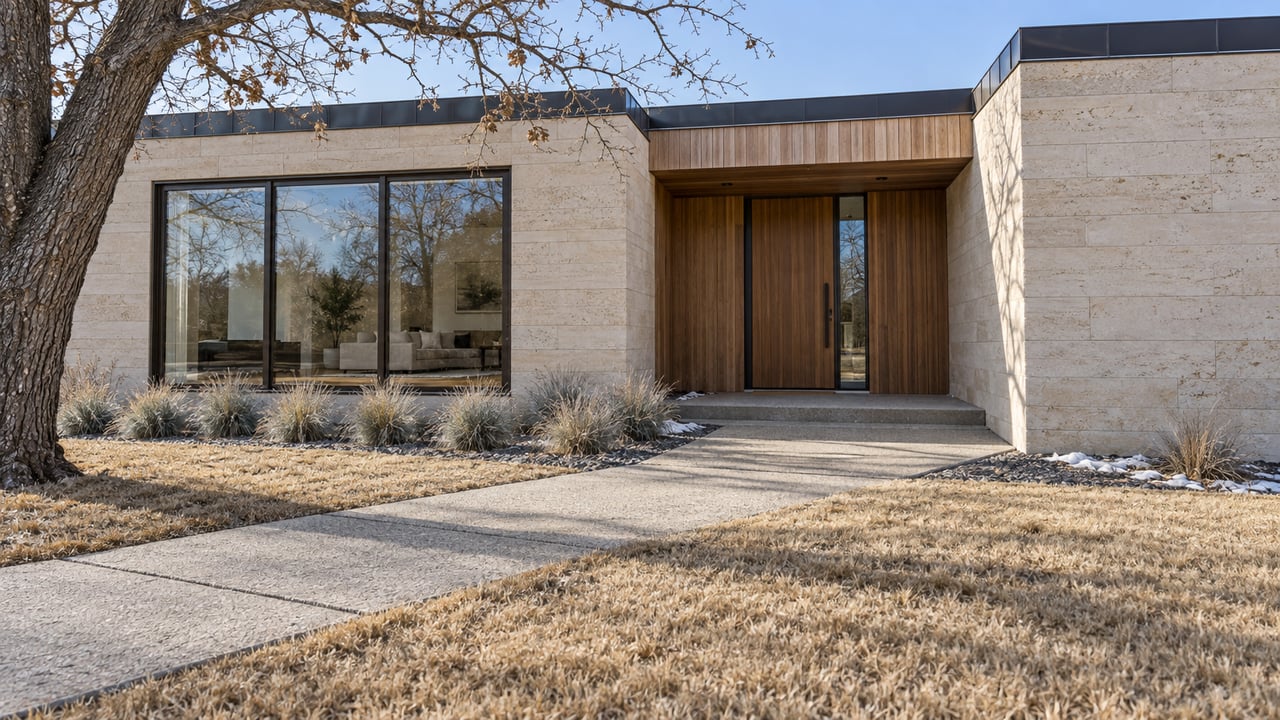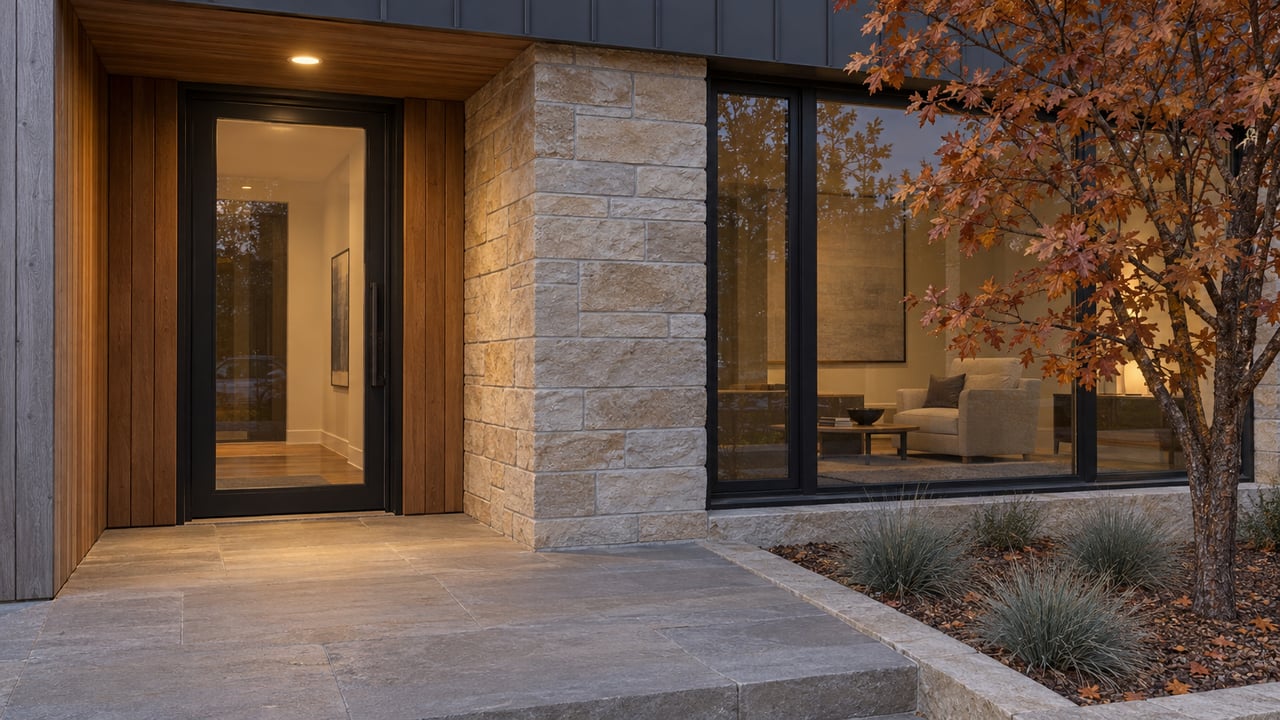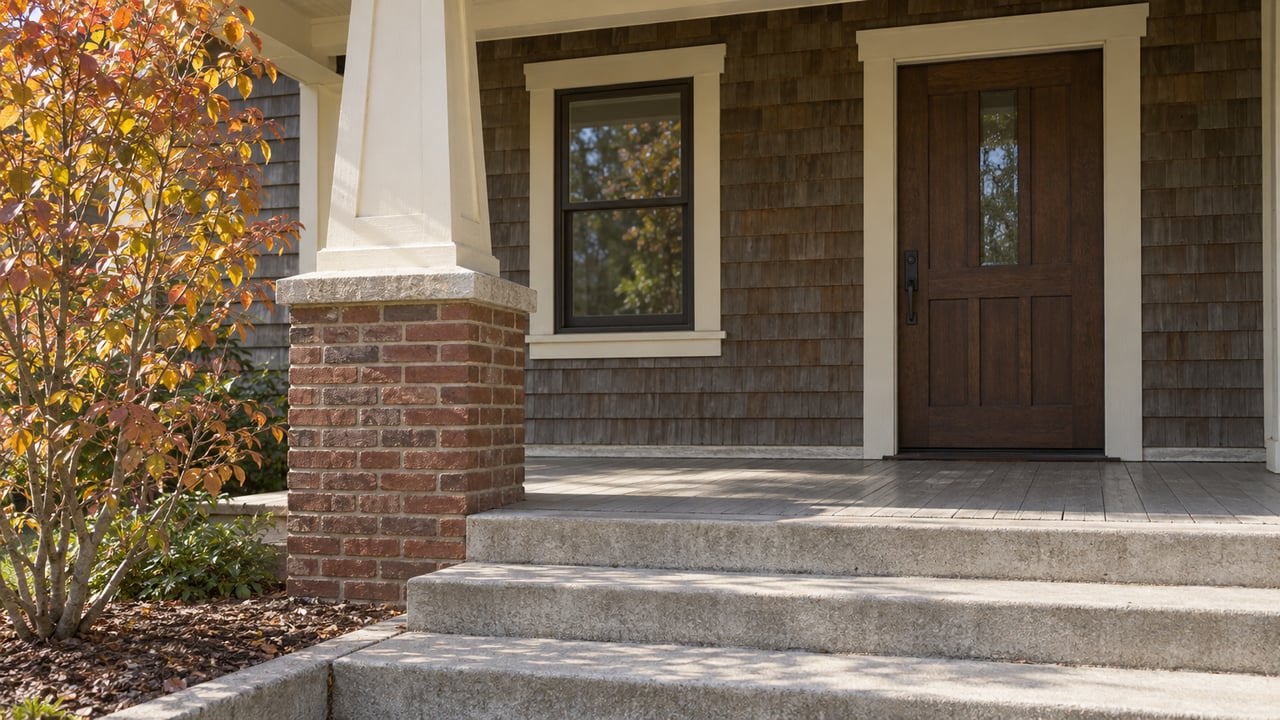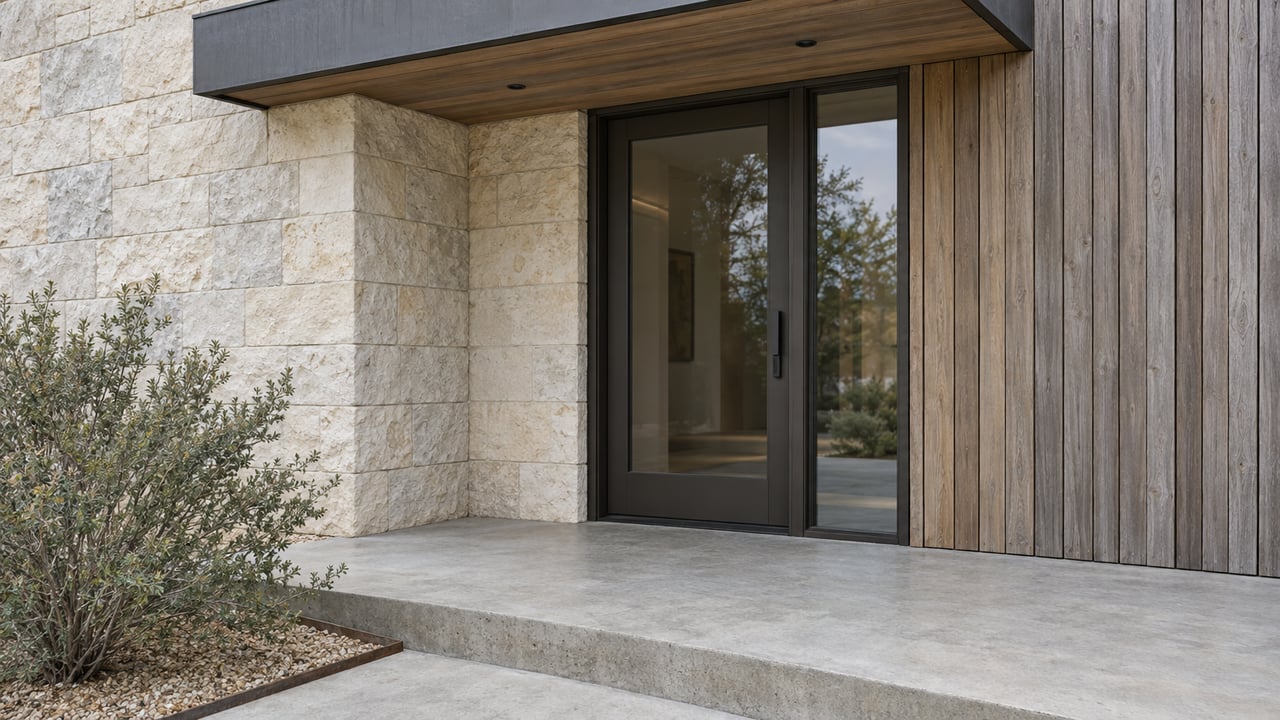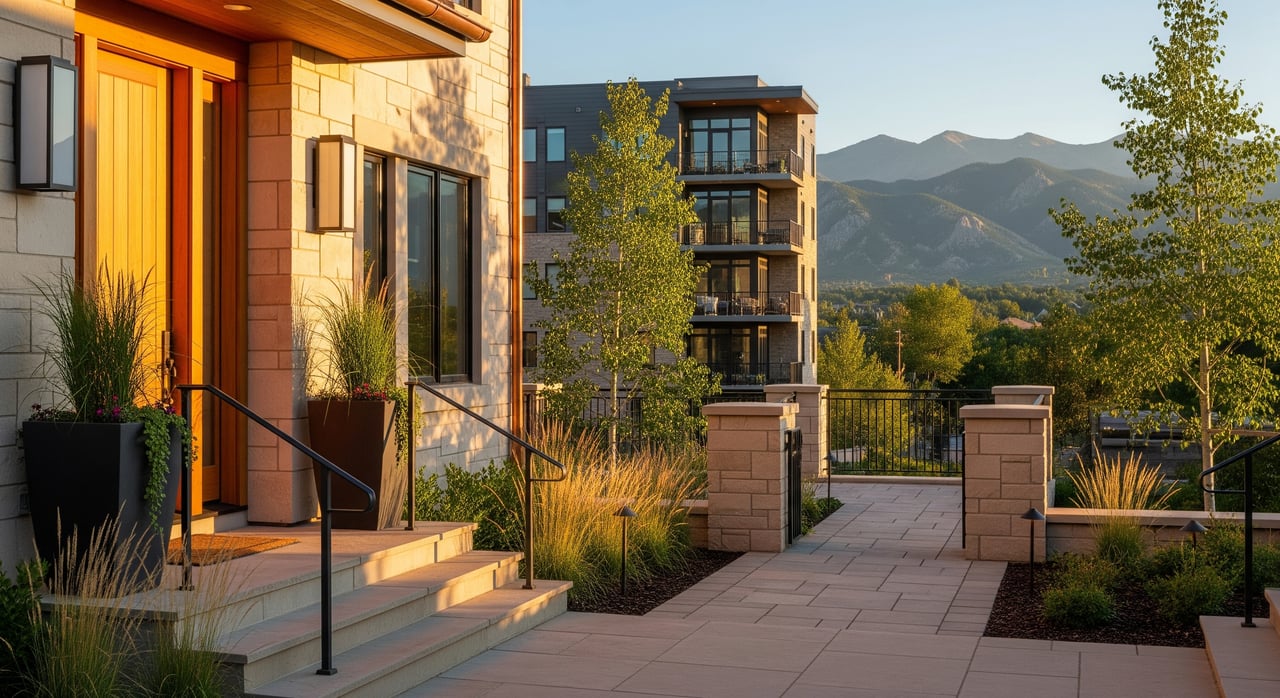
Torn between a condo and a townhome in Lakewood? You’re not alone. Both options offer great access to the city and the foothills, but they differ in ownership, monthly costs, maintenance, and financing. In this guide, you’ll get a clear, Colorado-specific breakdown so you can match the right property type to your budget and lifestyle. Let’s dive in.
Condo vs. townhome in Colorado
What is a condo?
A condominium is a form of ownership under Colorado’s Common Interest Ownership Act (CCIOA). You own the interior of your unit plus a shared interest in common elements like the land, exterior, roof, and amenities. A homeowners association (HOA) manages those shared pieces, enforces rules, and collects dues.
Because condos are part of a project, lenders look closely at the community’s financial health, reserves, and any litigation. Some loan programs require project approval before you can use FHA or VA financing.
What is a townhome?
“Townhome” describes the building style more than the legal structure. In Colorado, a townhome can be:
- A condo-form townhome, where you own the interior and share common elements similar to a condo.
- A fee-simple townhome, where you own the structure and a parcel of land. An HOA may still exist to manage shared areas, but exterior maintenance often shifts more to you.
Your exact responsibilities depend on the development’s governing documents, so it’s important to confirm the legal form and what the HOA covers.
Costs: HOA dues, taxes, insurance, financing
HOA dues and what they cover
HOA dues vary in Lakewood based on age of the community, services, and amenities.
- Condos: commonly about $200 to $700+ per month. Dues often include exterior maintenance, roof, landscaping, snow removal, trash, common-area insurance, and sometimes water or sewer. Buildings with elevators or amenities tend to be higher.
- Townhomes: dues often range from the low tens of dollars up to several hundred per month. Costs depend on whether the HOA handles exterior maintenance and landscaping or just shared items like roads and fencing.
Key drivers of dues include building age, what utilities are included, the size of the reserve fund, and any amenities. Ask for the current budget, reserve study, and a history of special assessments.
Property taxes and insurance
- Taxes: Jefferson County calculates taxes from assessed value and local mill levies. Total taxes vary by neighborhood and taxing districts. Use the county assessor to estimate for a specific address when you’re serious about a property.
- Insurance:
- Condos typically use an HO-6 policy covering interior finishes and personal property. The HOA’s master policy covers the structure and common areas per the declaration.
- Fee-simple townhomes often need a broader HO-3 policy, since you may own the exterior and lot. Coverage depends on what the master policy includes.
Always verify the HOA’s master policy and deductibles. If deductibles are high or coverage is limited, you may need supplemental protection.
Financing and approvals
Lenders review HOA financials, reserves, owner-occupancy ratios, the share of commercial space, and any litigation. For condos and condo-form townhomes, some loans require project-level approval. Weak HOA finances or a high rental ratio can complicate approval. Fee-simple townhomes are often underwritten more like single-family attached homes, but you still provide HOA documents as part of the loan.
If you plan to use FHA or VA, confirm project eligibility early. Your lender and I can help you check this before you fall in love with a property.
Maintenance and daily life
Who handles repairs?
- Condos: you typically handle the interior. The HOA handles the exterior, roof, structure, and common systems. This is appealing if you prefer a lock-and-leave lifestyle.
- Townhomes: if it’s condo-form, responsibilities mirror condos. If it’s fee-simple, you may handle more exterior components like siding, roof, driveway, and landscaping. Always verify who maintains roofs and foundations, and how snow removal works.
Utilities, noise, and HOA rules
Utilities can be individually metered or included in dues. Trash and recycling are often bundled. Since most condos and townhomes share walls or ceilings, pay attention to construction quality and sound transfer when touring. HOAs may set rules on pets, parking, short-term rentals, and exterior changes. Review those rules upfront so your day-to-day life matches your expectations.
Lakewood lifestyle: finding your fit
Belmar and Downtown Lakewood
If you value walkability, dining, and shopping close by, Belmar and the downtown core offer a mix of condos and attached townhomes. You’ll find convenient access to transit and community events. Buildings here may include more amenities, which can translate into higher dues but fewer maintenance tasks for you.
Green Mountain and western Lakewood
For more space and foothills access, look toward Green Mountain and western Lakewood. Many developments here feature townhomes that live larger, with attached garages and storage. You still get Lakewood conveniences with a quicker drive to hiking and mountain getaways.
Wadsworth and Alameda corridors
These areas offer a broad mix of older condos, newer infill townhomes, and single-family homes. Commute access is strong. When comparing options, weigh the age and condition of buildings against your maintenance tolerance and the HOA’s reserve plan.
Which option fits your goals?
If you want low maintenance
A condo or condo-form townhome can simplify life. You’ll likely pay higher dues for exterior coverage and amenities, but you save time on upkeep. Downsizers often prefer this trade-off for a lock-and-leave lifestyle.
If you want more control and space
A fee-simple townhome can feel closer to a single-family home. You may have more storage and a garage, potentially lower dues, and more control over the exterior. You’ll take on more maintenance and carry broader insurance.
If you want financing flexibility
Both condos and townhomes can work. If the development is condo-form, confirm project eligibility early if you need FHA or VA. Fee-simple townhomes are often easier for financing, but lender review still includes HOA documents.
If you want rental flexibility
Check rental and short-term rental policies closely. Some communities cap rentals or limit short-term stays. Rules vary by development and can affect your plans and future resale.
Buyer checklist before you commit
Use this quick list to avoid surprises:
- HOA documents: declaration (CC&Rs), bylaws, rules, current budget, last two years of financials, reserve study, last 12 to 24 months of meeting minutes, master insurance declarations, management contract, and any litigation disclosures.
- Reserves and assessments: reserve fund size versus recommended levels, recent or planned special assessments, and the frequency of dues increases.
- Maintenance scope: who handles roofs, siding, windows, exterior doors, driveways, and landscaping. Confirm snow removal.
- Building condition: age and status of roof, elevators or boilers if present, and any history of water intrusion or major repairs.
- Use rules: pet policies, parking rules and guest parking, and rental or short-term rental policies.
- Financing: whether there are FHA or VA restrictions and any project issues that could affect loan approval.
- Insurance: what the master policy covers and deductibles that could become your responsibility.
- Daily living: trash and recycling procedures, mail delivery, visitor policies, and any security features.
Next steps in Lakewood
Choosing between a condo and a townhome in Lakewood comes down to trade-offs you’re comfortable with: maintenance versus control, dues versus DIY, amenities versus autonomy. If you’re clear on what the HOA covers, how financing works, and the lifestyle you want in neighborhoods like Belmar or Green Mountain, you’ll make a confident choice.
If you’d like help comparing specific communities, I can walk you through HOA documents, insurance implications, and financing paths for each property type. Let’s map your goals to the right Lakewood fit and move forward with clarity.
Ready to explore? Reach out to me at Brandon Kass Real Estate powered by RE/MAX and let’s get started.
FAQs
What’s the legal difference between a condo and a townhome in Colorado?
- A condo is a CCIOA-governed ownership of a unit’s interior plus shared common elements, while a townhome can be condo-form or fee-simple, which changes exterior and land ownership.
How much are typical HOA dues for Lakewood condos and townhomes?
- Condos often range about $200 to $700+ per month, while townhomes can run from the low tens of dollars to several hundred depending on services and amenities.
Can I use FHA or VA financing for Lakewood condos?
- Often yes, but many condos require project approval for FHA or VA. It’s best to verify eligibility early with your lender and agent.
How do insurance needs differ for condos vs. fee-simple townhomes?
- Condos typically need an HO-6 interior policy plus the HOA’s master policy, while fee-simple townhomes commonly need an HO-3 policy that covers the structure and lot.
What Lakewood areas suit a lock-and-leave lifestyle?
- Belmar and downtown Lakewood often fit this goal, offering walkable amenities and buildings where the HOA covers most exterior maintenance.
What should I review to avoid special assessment surprises?
- Scrutinize the reserve study, current reserves, recent or planned assessments, and the HOA’s maintenance history and upcoming capital needs.