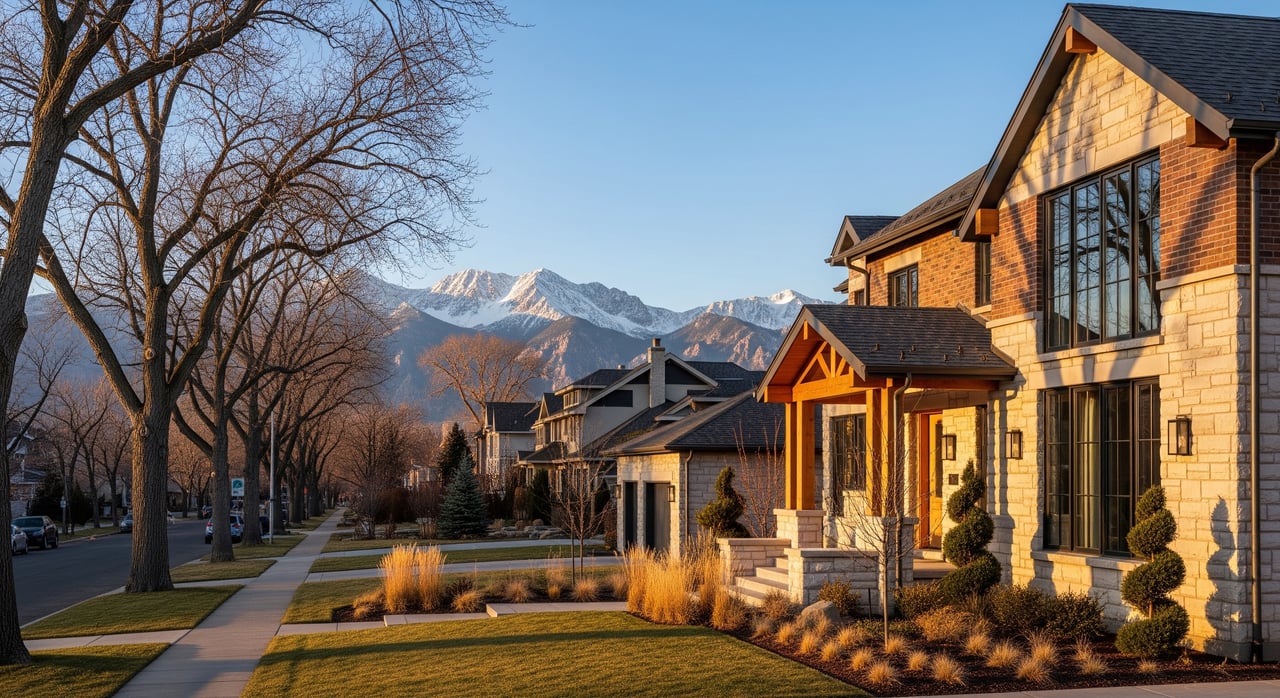
Staring at a map of Denver and wondering where to start? You’re not alone. With dozens of unique neighborhoods, each offering a different mix of homes, parks, and commute options, the choices can feel overwhelming. This guide gives you a simple framework to narrow your options fast, compare top neighborhoods side by side, and validate your pick with on-the-ground testing. Let’s dive in.
Set your top 3 priorities
Before you scroll listings, decide what matters most. Your short list will drive everything else.
- Budget and preferred housing type
- Commute time and transit options
- Access to parks and trails
- Walkability to daily errands
- School boundaries and childcare
- Low maintenance living vs yard and space
Keep these priorities handy as you compare neighborhoods.
How Denver’s neighborhoods break down
Denver uses official neighborhood boundaries through Community Planning and Development. You can review planning updates and maps on the city’s site through the Community Planning and Development pages. Explore current plans and boundaries on Denver Community Planning and Development.
- Central: Downtown, LoDo, Capitol Hill, Golden Triangle, RiNo. Higher density, great transit and walkability.
- Northwest: Highlands, Sloan’s Lake, Berkeley, Sunnyside. Mix of historic homes and new infill, lively dining scenes.
- Northeast: Central Park and Park Hill. Newer master-planned options and established tree-lined streets.
- Southeast: Cherry Creek, Washington Park, Platt Park. Upscale shopping, major parks, and classic homes.
- South: University, University Hills, Southmoor Park. Close to DU and I‑25, many mid-century homes.
- West: West Colfax, Barnum, Edgewater. Redevelopment corridors, quick access to the foothills.
Use a simple fit framework
Picture a 2x2 grid to focus your search:
- Urban vs Suburban feel
- Active nightlife vs Quiet residential vibe
Examples:
- Urban + Active: LoDo, RiNo
- Urban + Quiet: Capitol Hill side streets, Uptown pockets
- Suburban + Active: Highlands, Sloan’s Lake near retail corridors
- Suburban + Quiet: Park Hill, Central Park, parts of Platt Park
None is better than another. The right fit depends on your day-to-day.
Key factors to compare
Budget and housing type
Your budget often guides you toward condos and townhomes downtown, classic bungalows in established areas, or newer single-family homes in master-planned communities like Central Park. Premium southeast corridors such as Cherry Creek and Washington Park tend to carry higher price per square foot than many outlying neighborhoods. For current trends, review monthly market reports from the Denver Metro Association of REALTORS®.
Commute and mobility
Check your route on major highways like I‑25, I‑70, and US‑36 during your actual commute hours. If you prefer transit, use RTD schedules and rail maps to test options, including the A Line to Denver International Airport. If you bike, Denver’s growing network centers on the Cherry Creek Trail and South Platte River Trail, plus protected lanes in several corridors.
Schools and childcare
If schools are a priority, confirm the latest school assignment boundaries and enrollment policies. Start with Denver Public Schools resources, then review school performance data through state sites. Boundaries can change, so verify each property’s assignment before you write an offer.
Walkability and daily errands
If you want to drive less, focus on neighborhoods with strong walk, transit, and bike scores. Compare areas using Walk Score’s Denver pages. Also note nearby grocery stores, pharmacies, healthcare, and childcare.
Parks and outdoor access
Denver’s park network is a major quality-of-life driver. Washington Park, City Park, Sloan’s Lake, and the Cherry Creek Trail are standouts. Explore facilities and locations through Denver Parks & Recreation. Western neighborhoods shorten the drive to trailheads and Red Rocks.
Future development and zoning
Infill projects and rezonings can affect parking, density, and long-term character. Check neighborhood plans and active applications with Denver Community Planning and Development and the city’s open data resources.
Safety and objective data
Perception and reality can differ. Review recent crime data from the city’s official sources, like the Denver Open Data portal and Denver Police Department resources, and compare patterns over time.
HOA and condo fees
Condos, townhomes, and many newer communities include HOAs. Review monthly dues, what they cover, and the health of reserves. Fees affect your monthly budget and resale potential.
Natural hazards
Some areas along waterways have mapped flood zones. Use the FEMA Map Service Center for parcel-level floodplain checks and discuss insurance needs with your lender and insurer.
Mini-profiles: 8 Denver areas to consider
Use these quick snapshots to match your priorities. Drive times vary by time of day. Test your route.
LoDo / Downtown
- Housing: Condos and loft conversions, modern high-rises, limited single-family nearby.
- Lifestyle fit: Low-maintenance living near major employers, dining, and nightlife.
- Commute: Walk or bike to central offices; quick access to light rail and buses.
- Transit & bike: Excellent RTD access; strong bike lane and trail connections.
- Parks: Confluence Park, Commons Park, easy Cherry Creek Trail access.
- Conveniences: Grocery, fitness, and retail in walking distance.
- Caveats: Parking costs and HOA fees factor into monthly budgets; building-by-building differences.
RiNo (River North)
- Housing: Newer condos and townhomes, adaptive reuse lofts, ongoing infill.
- Lifestyle fit: Arts, dining, and nightlife with quick downtown access.
- Commute: 5–15 minutes to central business district by car depending on timing.
- Transit & bike: Bus routes and bike connections into downtown.
- Parks: Access to the South Platte River Trail and pocket parks.
- Conveniences: Breweries, galleries, and food halls nearby.
- Caveats: Active development can mean construction and evolving streetscapes.
Washington Park (Wash Park)
- Housing: Historic bungalows and 1920s brick homes, some new custom builds.
- Lifestyle fit: Park-forward living with tree-lined streets.
- Commute: About 10–20 minutes to downtown depending on route.
- Transit & bike: Bus service on major corridors; strong bike routes.
- Parks: Washington Park’s lakes, trails, and courts are the anchors.
- Conveniences: South Gaylord Street and South Pearl Street retail corridors nearby.
- Caveats: High demand for well-located homes; limited inventory at times.
Cherry Creek
- Housing: Luxury condos, townhomes, and high-end single-family homes.
- Lifestyle fit: Upscale shopping and dining with a walkable core.
- Commute: Roughly 10–15 minutes to downtown in typical traffic.
- Transit & bike: Bus access and bike connections; easy link to Cherry Creek Trail.
- Parks: Cheesman Park and small neighborhood greenspaces nearby.
- Conveniences: Cherry Creek North and Shopping Center offer daily services.
- Caveats: Premium pricing and HOA dues in newer buildings.
Park Hill
- Housing: Established single-family homes on tree-lined streets, varied eras and styles.
- Lifestyle fit: Quiet residential feel with neighborhood retail pockets.
- Commute: 15–25 minutes to downtown depending on location.
- Transit & bike: Bus routes and bike connections across east Denver.
- Parks: City Park access and local pocket parks.
- Conveniences: Local grocers, cafes, and services along major corridors.
- Caveats: Confirm school boundaries and planned projects before you buy.
Central Park (formerly Stapleton)
- Housing: Newer master-planned single-family homes and townhomes with consistent design.
- Lifestyle fit: Parks, playgrounds, and community centers built in from day one.
- Commute: Direct access to I‑70; straightforward drive to downtown in many sections.
- Transit & bike: A Line to the airport is nearby; good trail networks.
- Parks: Extensive parks, open space, and pocket greens.
- Conveniences: Newer retail centers, grocery, and services within the community.
- Caveats: HOAs and metro district fees vary by section; compare dues carefully.
Sloan’s Lake / Highlands
- Housing: Mix of historic bungalows, mid-century homes, and modern infill.
- Lifestyle fit: Lake and park access with a lively dining scene.
- Commute: 10–20 minutes to downtown depending on route and time.
- Transit & bike: Bus routes and bike-friendly streets; light rail options near the corridor.
- Parks: Sloan’s Lake Park is the marquee amenity.
- Conveniences: Tennyson Street, Highland Square, and nearby retail hubs.
- Caveats: New construction sits alongside older homes; street-by-street variation.
West Colfax / Barnum
- Housing: Older single-family homes with ongoing redevelopment in key corridors.
- Lifestyle fit: Value-minded buyers who want quick access west and a shorter drive to the foothills.
- Commute: 10–30 minutes to downtown based on route and timing.
- Transit & bike: Light rail near West Colfax plus bus routes; bikeable grid in many sections.
- Parks: Barnum Park, Lakewood Gulch Trail connections.
- Conveniences: Growing retail and dining along Colfax and adjacent corridors.
- Caveats: Varies block to block; check zoning and active projects.
How to test a neighborhood before you commit
- Commute trials: Drive your route at your real departure time. If you use transit, plan it with RTD’s schedules and trip tools.
- Walk the area: Visit morning, evening, and weekend to feel traffic, noise, and activity levels.
- Errand run: Time a trip to the nearest grocery, pharmacy, and childcare.
- Parks and trails: Spend an hour at the closest park to see how you will use it. Start with Denver Parks & Recreation resources.
- School verification: Confirm assignment and enrollment steps with Denver Public Schools.
- Data check: Review crime trends and zoning with the Denver Open Data portal.
- Hazards: Confirm floodplain status through the FEMA Map Service Center.
Where to find fresh, local data
- Market trends: Monthly stats and reports from the Denver Metro Association of REALTORS®.
- Planning and zoning: Neighborhood plans and updates via Denver Community Planning and Development.
- Mobility: Rail, bus, and fare info from RTD.
- Walkability: Scores and comparisons on Walk Score’s Denver pages.
- Safety data: Crime dashboards and datasets from the Denver Police Department.
When you are ready, I can help you compare neighborhoods based on your exact budget, commute, and lifestyle. I’ll design a focused tour, share current market intel, and guide you through fees, zoning, and offer strategy. Connect with me at Brandon Kass Real Estate powered by RE/MAX to get started today.
FAQs
How do I evaluate commute times across Denver?
- Test your route during your actual travel window using mapping apps and RTD schedules, and note bottlenecks on I‑25, I‑70, and US‑36.
Which Denver neighborhoods offer strong park access?
- Washington Park, City Park, Sloan’s Lake, and the Cherry Creek Trail are major green spaces; explore facilities on Denver Parks & Recreation.
How important are school boundaries when buying in Denver?
- Very important for families; verify the latest assignment maps and enrollment steps with Denver Public Schools for each property you consider.
Are HOAs common in Denver condos and new builds?
- Yes; review monthly dues, what is covered, reserves, and any special assessments to understand total cost and resale impact.
What hazards should I check before buying in Denver?
- Review FEMA flood maps for the property, look at local drainage history, and confirm any site-specific risks using the FEMA Map Service Center.
Where is housing generally more affordable within the metro?
- Many western, northern, and some eastern corridors and several suburbs tend to offer more budget-friendly options than central and southeast premium areas; confirm current trends with DMAR reports.
How quickly can Denver’s housing market shift?
- Conditions change seasonally and with economic cycles; rely on recent monthly data from the Denver Metro Association of REALTORS® for up-to-date inventory and pricing context.