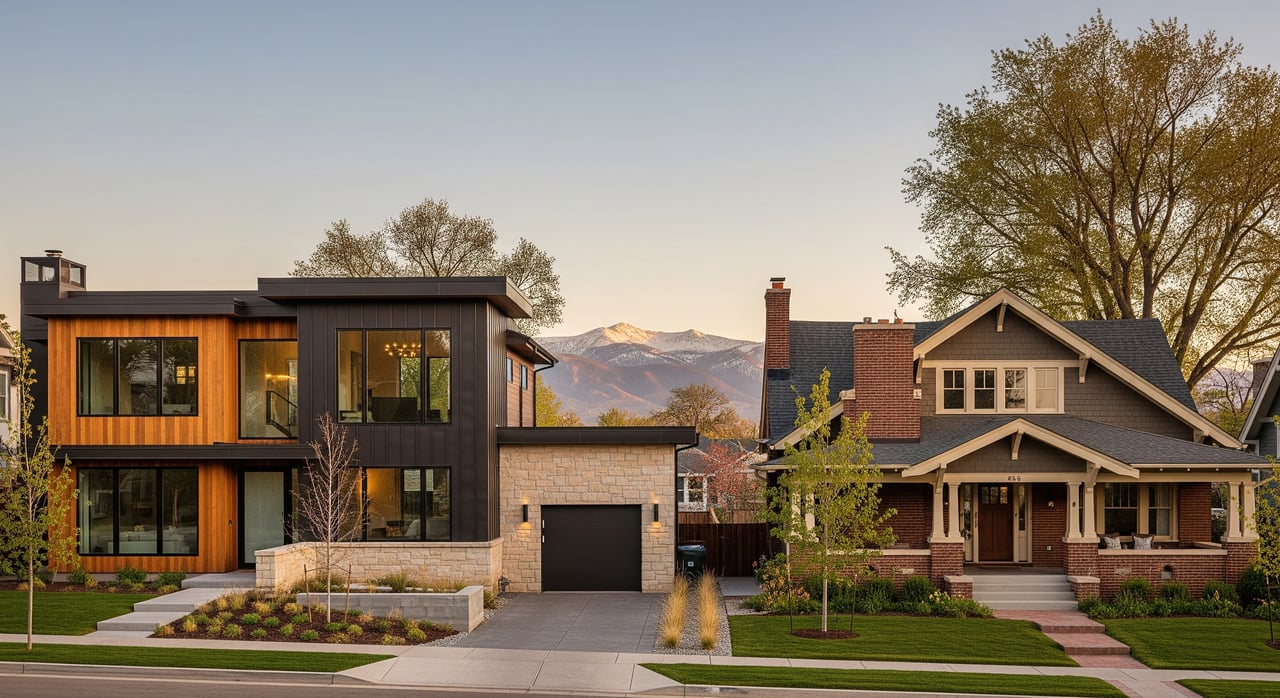
Thinking about a new construction home or a resale in Littleton? It is a big decision with real costs, timelines, and tradeoffs on both sides. You want clarity so you can plan your move and protect your budget. In this guide, you will learn how new builds and resale homes compare in Littleton on price, timing, warranties, lot premiums, inspections, and financing so you can choose with confidence. Let’s dive in.
Cost breakdown in Littleton
New build costs
New builds start with a base price, then you add a lot premium and options. Lot premiums reflect view corridors, proximity to open space and transit, and lot position. Options like kitchen packages, flooring, and landscaping can push the price well above base. Builders may also pass along impact and connection fees for utilities and infrastructure. Deposits are usually higher and may include separate design or option deposits.
You may see builder incentives, such as rate buydowns or closing cost help, that offset part of the premium. Early maintenance is typically lower, but plan for landscaping and window coverings that are not always included.
Resale costs
Resale homes list at a market price that is negotiable. Inspection findings can lead to repairs or a credit at closing. You should plan for maintenance based on the home’s age, such as roof, furnace, water heater, or windows. HOA and utility histories are known and can be reviewed for recurring costs.
Compare total price, not base price
Base prices can be misleading. When you compare a new build to a move-in ready resale, always add realistic upgrade costs, lot premiums, and site work. On resales, weigh expected repairs and updates so the comparison is apples to apples.
Timeline and certainty
New build phases
- Lot selection and contract: often 1 to 6 weeks depending on the builder process.
- Design and selections: commonly 2 to 8 weeks based on how many options you choose.
- Permitting: varies by jurisdiction. Check current timelines with the City of Littleton or Arapahoe County.
- Construction: can run several months to over a year depending on scope and weather.
- Final inspections, punchlist, certificate of occupancy, and closing.
Resale timeline
Most resale transactions close in about 30 to 60 days after going under contract, depending on financing and contingencies. Steps include inspection, appraisal, final loan approval, and closing.
Predictability tips
Resale closings are often faster and more certain once contingencies are removed. New builds carry schedule risk from permitting, supply chains, weather, and subcontractor availability. If you have a hard move date, resale is usually safer. If you choose new construction, build in flexibility or negotiate protections like clear completion windows and remedies for delays.
Warranties and protection
Typical builder coverage
Many builders follow a common structure: about 1 year for workmanship and materials, 2 years for major systems, and up to 10 years for structural coverage. Always request the written warranty, claim process, timelines, and transferability if you plan to sell within the warranty period. Ask for any third-party ratings or inspections, such as energy certifications, if available.
Resale protections
On resales, your inspection rights are key. You can negotiate repairs or credits. Some sellers may offer a limited home warranty product, but resales do not include the same automatic structural coverage you see on new homes unless you purchase a separate policy.
Lot premiums in Littleton
What drives premiums
In Littleton, lot premiums often reflect these local factors:
- Views of the Front Range, foothills, or open space.
- Proximity to downtown Littleton, RTD light rail, parks, and trail systems.
- Lot size, usable yard, grading, cul-de-sac or corner locations, and drainage.
- School attendance zones and access to community amenities.
- Utility access and infrastructure needs.
How they are priced
Builders usually publish a base price and a lot map that shows the premium for each lot. Premiums may be a flat dollar amount or a percentage added to the base price. For current local ranges, review builder lot maps and active listings from local sources.
Inspections that protect you
Resale inspection plan
A standard home inspection will cover the foundation, roof, HVAC, electrical, plumbing, and structure. Many Littleton buyers add a sewer scope and a radon test. Based on age or concerns, consider specialist inspections for HVAC, chimney, or moisture. Inspection results can lead to repair requests or a price credit.
New construction inspection plan
Do not skip inspections just because the home is new. A staged approach is best:
- Pre-drywall and mechanical rough-in to catch installation and code issues.
- Final inspection and punchlist before closing, with photos and dates for documentation.
- A one-year warranty inspection near the end of your first year to address settling or latent issues under the builder’s warranty.
Coordinate access with the builder since some restrict site visits during construction. Independent sewer scope and radon tests can still be worthwhile in new communities.
Financing and contracts
Resale lending
Resales typically use standard loans like conventional, FHA, or VA. The appraisal compares the contract price with recent sales. Seller concessions may be negotiated based on market conditions.
New construction lending
You may finance a completed new home with a standard mortgage or use construction-to-permanent or stand-alone construction loans for to-be-built homes. Appraisals often consider to-be-built comparables and will scrutinize lot premiums and upgrades. Expect higher deposits to secure your lot and options. Many builder contracts limit contingencies and refundability, so review terms carefully and consider legal counsel before signing.
Deposits and contingencies
Builders often require an earnest deposit plus separate design or option deposits. These may become nonrefundable after certain milestones. Clarify payment schedules, milestone dates, and refund terms before you commit.
Long-term costs and resale value
New build advantages
Modern energy codes, newer HVAC, insulation, and appliances can lower operating costs at first. You will likely have fewer immediate maintenance expenses. Floorplans often reflect current preferences, which can help when you resell later.
Resale advantages
Established neighborhoods, mature landscaping, and lot character can be a draw. A well-updated older home in a desirable area can appreciate strongly. Many resales also offer quicker access to amenities and transit already in place.
Pitfalls to avoid
- Over-customizing a new build with highly unique finishes that limit broader appeal.
- Underestimating the cost of upgrades, landscaping, and window treatments on new homes.
- Overlooking permit histories or unpermitted work on resales.
- Ignoring floodplain status or drainage concerns that affect insurance and maintenance.
Quick checklists
Documents to request: new build
- Builder purchase agreement and all addendums.
- Itemized standard features vs paid upgrades.
- Lot map with published lot premiums.
- Builder warranty and claim process, plus transfer rules.
- Payment schedule, deposit amounts, and refund terms.
- Any model home inspection reports or energy ratings.
- HOA draft CC&Rs, budget, and recent meeting minutes.
- Utility and impact fee estimates and any special district assessments.
- Permit and plan approvals once issued.
Documents to request: resale
- Seller property disclosure.
- Recent utility bills if available.
- HOA resale packet: CC&Rs, budget, reserve study, and minutes.
- Permit history and receipts for major work.
- Any seller-provided home warranty details.
Red flags to watch
- Unclear or nontransferable warranties.
- Excessive nonrefundable deposits or vague refund terms.
- Missing permits on past work.
- Floodplain location or unresolved drainage easements.
- HOA with weak reserves or frequent special assessments.
- A builder or vendor with unresolved complaints.
Which path fits you
- Choose a new build if you want modern design, lower initial maintenance, and you have flexibility on timing. You are comfortable managing selections and waiting for completion.
- Choose a resale if you need a faster move, value established neighborhoods and landscaping, and prefer known operating histories and the ability to negotiate repairs.
- Either path can work well if you compare total cost, confirm timelines, and protect yourself with inspections and clear contract terms.
Your next steps
- Define your must-haves, move date, and budget buffer for upgrades or repairs. 2) If considering new construction, review lot maps, premiums, and warranties. 3) If leaning resale, pull permit histories and plan a thorough inspection package. 4) Get preapproved with a lender familiar with both resales and new builds so you can compare options side by side.
If you want a clear, side-by-side plan for Littleton, I can help you price out upgrades, confirm timelines with builders, and negotiate strong inspection outcomes on resales. Reach out to schedule a local strategy session with Brandon Kass Real Estate powered by RE/MAX.
FAQs
What affects lot premiums in Littleton new builds?
- Views, proximity to parks and transit, lot size and grading, corner or cul-de-sac locations, school attendance zones, and utility access commonly influence premiums.
How long does a Littleton new build usually take?
- Expect several months to over a year from contract to closing, depending on selections, permitting timelines, weather, and builder schedules.
Do I still need an inspection on a brand-new home?
- Yes. Schedule independent inspections at pre-drywall, mechanical rough-in, final walk, and again near the one-year mark to catch installation or settling issues.
What warranties do builders typically provide?
- Many offer about 1 year on workmanship, 2 years on major systems, and up to 10 years on structural coverage; always verify terms, claims process, and transferability.
How do builder incentives compare to resale seller credits?
- Builder incentives often target rate buydowns or closing costs, while resale credits usually follow inspection findings; compare total net savings, not just headline offers.
What financing differences should I expect with new construction?
- You may use construction-to-permanent or to-be-built financing, higher deposits, and stricter contract terms; appraisals also review lot premiums and upgrades closely.