Thinking about selling your home in Castle Rock? You are not alone, and you are probably wondering how to balance timing, pricing, prep work, and paperwork without leaving money on the table. The good news is that with the right plan, you can move from pre-listing prep to closing with more confidence and fewer surprises. Let’s break down what matters most in Castle Rock right now.
Understand the Castle Rock market
Castle Rock remains an active market, but it is not a market where one pricing rule fits every home. In March 2026, Redfin reported a median sale price of $635,500, about 26 median days on market, and roughly 2 offers per home on average. Realtor.com reported a March 2026 median listing price of $725,000, 832 homes for sale, 33 median days on market, and a 100% sale-to-list ratio.
Those numbers tell an important story. Buyers are still active, but pricing needs to reflect your specific neighborhood, subdivision, condition, and competition. A broad Castle Rock average may be interesting, but your home should be priced from nearby comparable sales and current local inventory.
Castle Rock is also a growing community with more than 87,000 residents, 62 parks, 136 miles of trails, and more than 6,900 acres of open space. That local setting helps support buyer interest, but it does not replace the need for a sharp pricing and presentation strategy. If you want the strongest result, you need local context and a clear plan.
Start with pre-listing prep
Before your home goes live, focus on the things that help buyers feel confident. That usually means improving condition, gathering paperwork, and thinking through disclosures early. A little preparation upfront can reduce delays once offers start coming in.
Address condition issues first
A pre-sale inspection is optional, but it can be useful. It may reveal issues you want to fix before listing, especially if they involve the roof, HVAC system, appliances, moisture, or other major items. Knowing about problems in advance gives you more control over repair decisions and negotiation later.
It also helps to locate warranties, service records, and manuals for anything that will stay with the property. Buyers often appreciate clear information, and organized records can make your home feel better maintained. That can reduce friction once a serious buyer starts digging into details.
Clean, declutter, and improve curb appeal
Presentation matters because photos play a major role in attracting buyers. Clean windows, carpets, lighting fixtures, and walls can make a noticeable difference in how your home shows online and in person. Decluttering also helps rooms look larger and more functional.
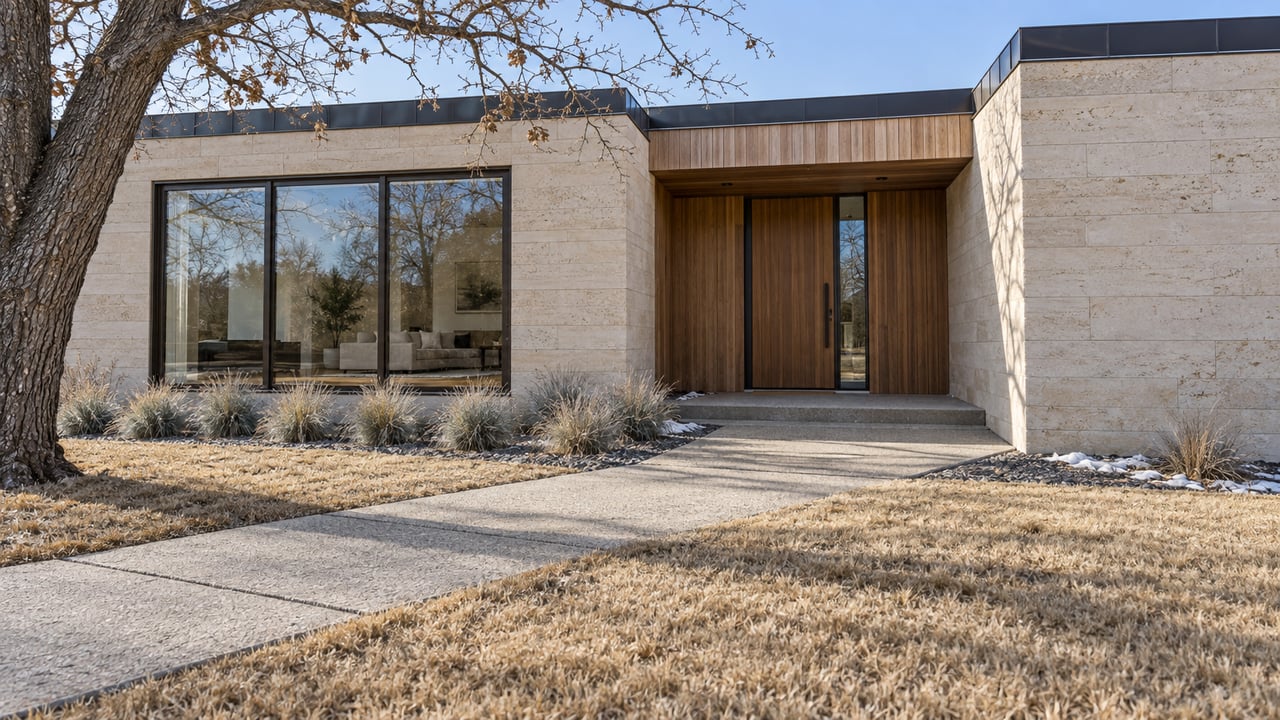
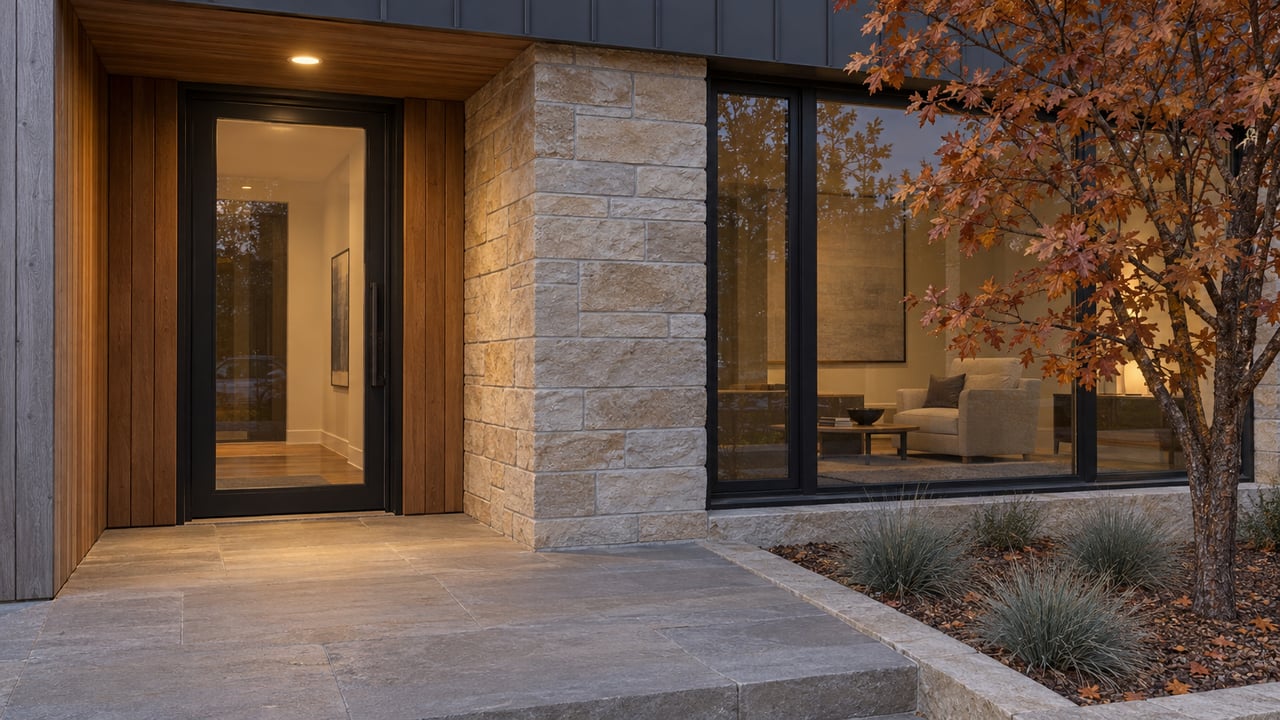
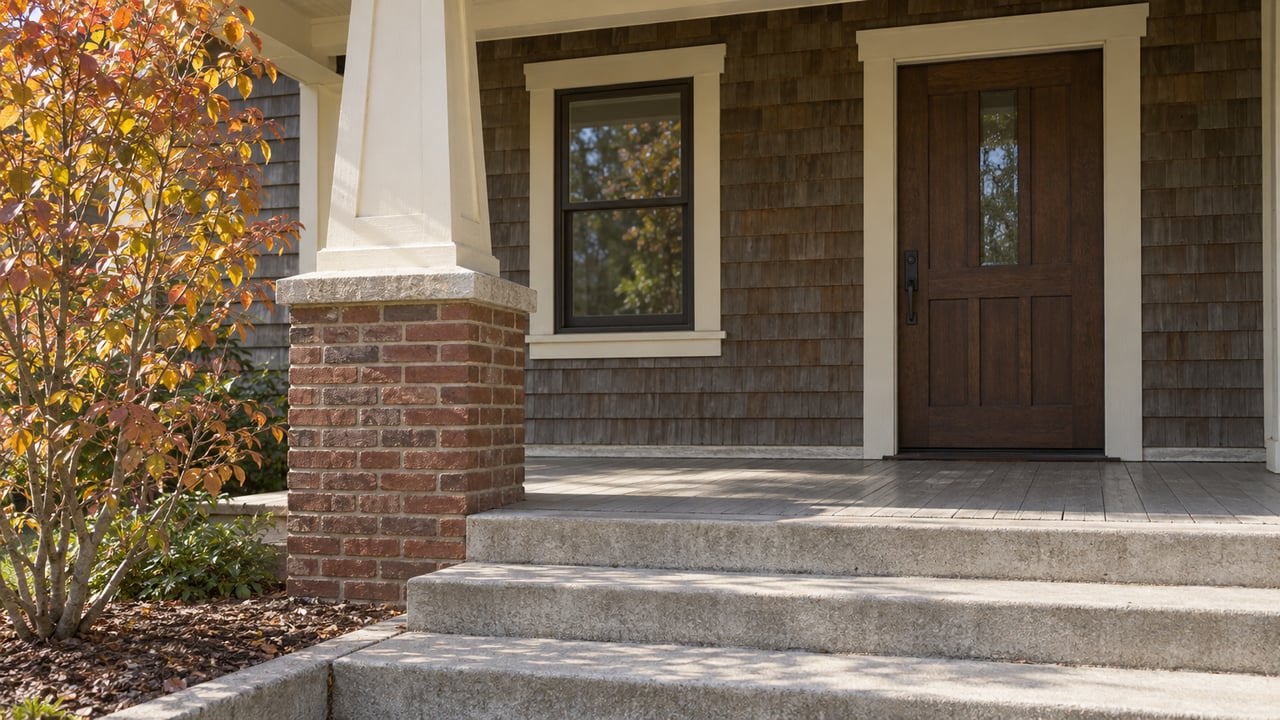
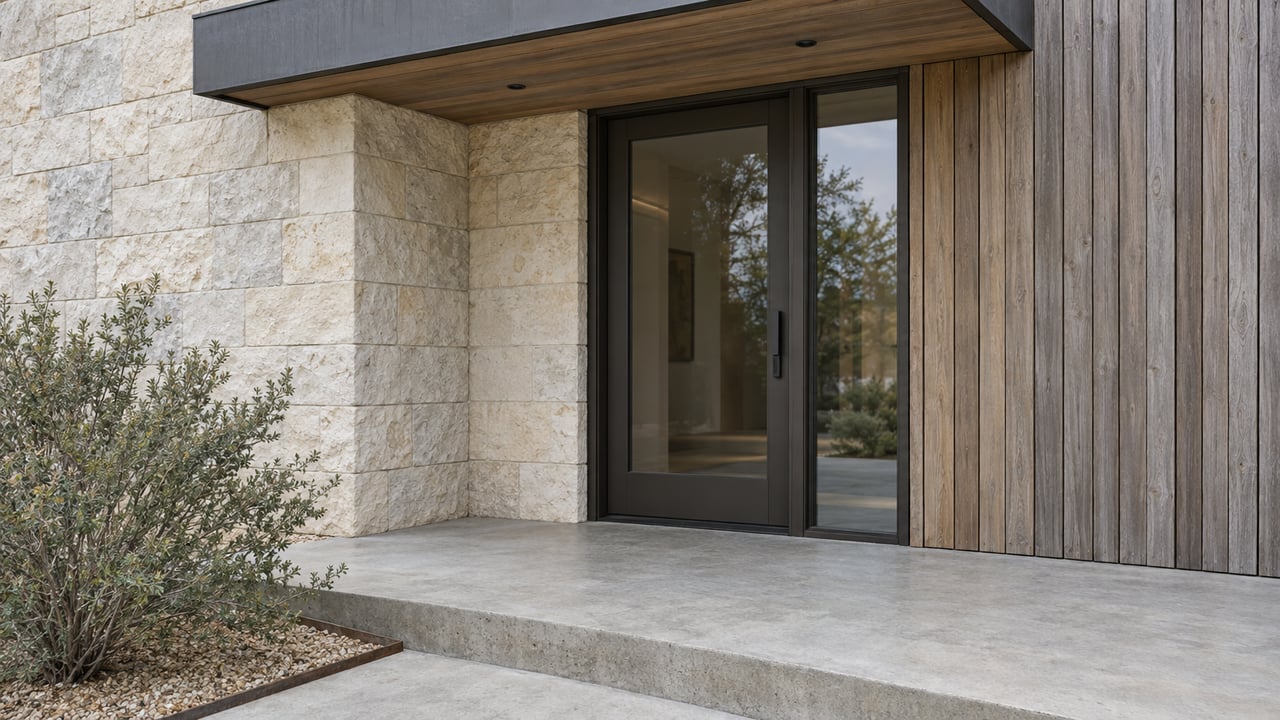
Outside, focus on simple curb appeal updates. Landscaping touch-ups, fresh paint where needed, and a clean front entry can help buyers form a strong first impression. In a market where buyers often decide quickly whether to schedule a showing, that first impression matters.
Consider staging if it fits your home
Staging is optional, but it can help buyers picture themselves living in the space. Even light staging can improve flow, highlight room function, and support better listing photos. The goal is not to make the home feel flashy. The goal is to make it easy for buyers to understand the home.
Get ready for Colorado disclosures
Selling a home in Castle Rock also means preparing for Colorado’s standard forms and required disclosures. The Colorado Division of Real Estate says the current Seller’s Property Disclosure form is approved for use on and after January 1, 2026. This form covers a wide range of topics that often matter to local homes.
What the seller disclosure covers
The disclosure form can include information about:
- Structural issues
- Roof condition
- Moisture or water intrusion
- Electrical and mechanical systems
- Flooding and drainage
- Zoning or legal issues
- Environmental conditions
- Radon
- Common-interest community matters
- Metropolitan district information
Completing disclosures carefully and honestly is important. It helps buyers evaluate the property and can reduce the chance of disputes later in the transaction. If questions come up early, you have more time to gather answers before you are under contract.
Lead-based paint for older homes
If your home was built before 1978, there is another required step. Federal law requires sellers of most pre-1978 homes to disclose any known lead-based paint or lead-hazard information before the sale and provide the approved lead-hazard pamphlet. If your home falls into that category, this should be handled before the property hits the market.
Price your Castle Rock home strategically
Pricing is one of the biggest decisions you will make. In Castle Rock, it is especially important to avoid using a single townwide number as your guide. The gap between reported median sale prices and listing prices, along with variation by zip code and neighborhood, shows why local comparable sales matter.
Why neighborhood comps matter
A home in one Castle Rock subdivision may compete very differently from a similar-sized home in another part of town. Lot size, age, finishes, views, updates, and nearby active listings can all affect pricing. That is why a neighborhood-level pricing strategy usually makes more sense than relying on a broad median for the entire town.
Castle Rock market data points to a healthy but nuanced seller environment. Redfin reported 26 median days on market in March 2026, while Realtor.com reported 33. That pace is active, but it still leaves room for overpriced homes to sit longer than expected.
Price for attention and leverage
The right price can do two things at once. It can attract serious buyers quickly and strengthen your negotiating position once interest builds. If you overshoot, you may lose momentum, especially in the first days on market when buyer attention is often strongest.
That is where local expertise matters. I look at the immediate competition, recent neighborhood sales, current market pace, and your home’s presentation to build a pricing strategy that fits the property instead of forcing it into a generic townwide average.
Market the home for today’s buyers
Once the home is ready and priced well, marketing becomes the next priority. Buyers often see your property online before they ever set foot inside it. That means your listing needs to make a strong first impression fast.
Photos and presentation drive interest
Strong photos matter because they help buyers decide whether your home is worth a showing. Clean spaces, good light, and a well-prepared layout can make your listing feel more inviting. If buyers cannot clearly understand the home from the photos, they may move on.
That is why prep work supports marketing. Clean windows, uncluttered rooms, fresh landscaping, and thoughtful staging all help create better images and smoother showings. Better presentation can reduce hesitation and help buyers engage more confidently.
Make showings easy to say yes to
The goal of a showing is simple. You want buyers to picture the home as a fit for their needs and feel comfortable taking the next step. A clean, bright, easy-to-walk-through home removes obstacles from that decision.
It also helps to have property information organized in advance. The less friction buyers encounter when they ask questions about condition, systems, or included items, the easier it is for them to move forward.
Navigate offers and negotiation
When offers come in, price is only one part of the conversation. Terms matter too, especially if you want a smooth path to closing. Depending on the buyer, that may include financing timelines, inspection terms, seller credits, or occupancy needs.
Look beyond the top number
The highest offer is not always the strongest one. You should also look at whether the buyer is financing the purchase, how quickly they can close, what contingencies they are asking for, and whether they want seller-paid costs. These details can affect your bottom line and your stress level.
Seller concessions or closing-cost contributions will usually appear as seller credits or seller-paid line items on the Closing Disclosure. That is why it is important to compare offers carefully. A clean offer with solid terms can be more valuable than a higher number with more risk attached.
What happens from contract to closing
Once you accept an offer, the transaction moves into the closing phase. This is where deadlines, documents, and coordination become especially important. A smooth closing usually comes from staying ahead of each next step.
The settlement process
A settlement agent coordinates the closing process, collects and disburses funds according to the contract, and submits the deed and mortgage documents for county recording. As the seller, you will sign the deed that transfers ownership. This part of the sale can feel paperwork-heavy, but it follows a fairly standardized flow.
Colorado’s 2026 forms include common documents used throughout the process, such as the listing contract, contract to buy and sell, seller disclosure, closing instructions, deed forms, and an optional Post-Closing Occupancy Agreement. If you need to stay in the home briefly after closing, that occupancy agreement may be one option depending on the deal terms.
Timing in Castle Rock
Many sellers want to know how long the process will take. In March 2026, Castle Rock homes were taking about 26 to 33 days to sell, depending on the source. After you go under contract, the final closing date often depends on the buyer’s financing timeline and the contract terms.
If the buyer is using a mortgage, the Closing Disclosure must be provided at least three business days before closing. That timing can affect the final settlement date, especially if there are any last-minute changes.
Know the local recording details
Because your sale ends with recording in Douglas County, it helps to understand a few local details. The county’s standard recording fee is $43 per document. There is also a documentary fee of $0.01 per $100 on documents conveying title when the consideration is greater than $500.
Douglas County paperwork basics
Douglas County requires deed transfers to include the grantee’s mailing address and a complete legal description. Documents also need to meet margin requirements before they can be recorded. While these items are usually handled as part of the closing process, they still matter because recording errors can create delays.
The county recorder’s office notes that staff cannot provide legal advice. For questions about document completion, sellers should work with a title company or attorney. The county also offers a free recording activity notification service that can alert owners when a document is recorded in their name.
A smoother Castle Rock sale starts early
Selling a home in Castle Rock is not just about putting a sign in the yard and waiting for offers. It is about preparing your home well, pricing it with neighborhood context, handling disclosures carefully, and keeping the contract-to-close process organized. When you do those things well, you put yourself in a stronger position from day one.
If you are getting ready to sell in Castle Rock, I can help you build a plan that fits your timeline, your home, and the current market. From pricing and presentation to negotiation and closing coordination, Brandon Kass Real Estate powered by RE/MAX is here to help you move with confidence.
FAQs
How long does it take to sell a home in Castle Rock?
- In March 2026, reported median days on market in Castle Rock ranged from about 26 to 33 days, depending on the source, though your timeline can vary based on pricing, condition, and buyer financing.
What disclosures are required when selling a home in Castle Rock, Colorado?
- Colorado sellers should be prepared to complete the state’s approved Seller’s Property Disclosure form, and sellers of most homes built before 1978 must also disclose known lead-based paint or lead hazards.
How should you price a home in Castle Rock?
- The best approach is to price from neighborhood-level comparable sales and current local competition rather than relying on a single townwide average.
What costs should sellers expect at closing in Douglas County?
- Douglas County charges a $43 recording fee per document and a documentary fee of $0.01 per $100 on documents conveying title when the consideration exceeds $500.
Can a seller stay in the home after closing in Colorado?
- In some cases, yes. Colorado’s 2026 forms include an optional Post-Closing Occupancy Agreement for situations where a seller needs to remain in the home briefly after closing.