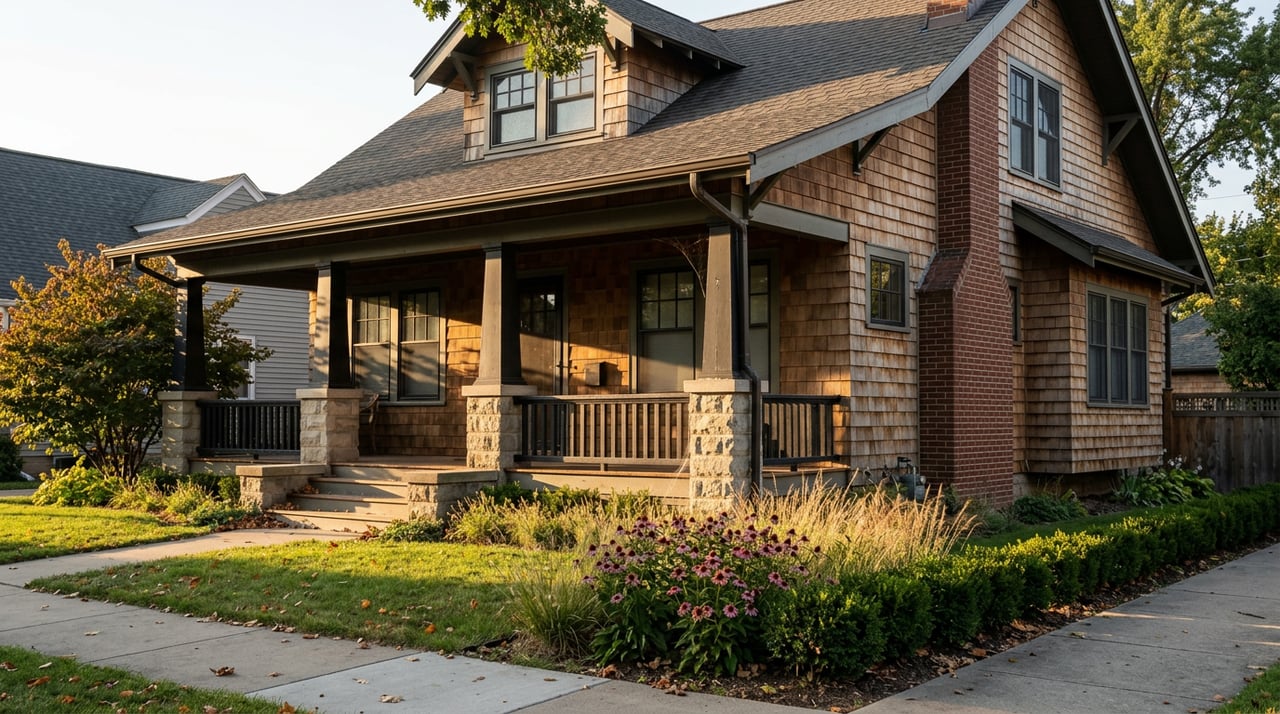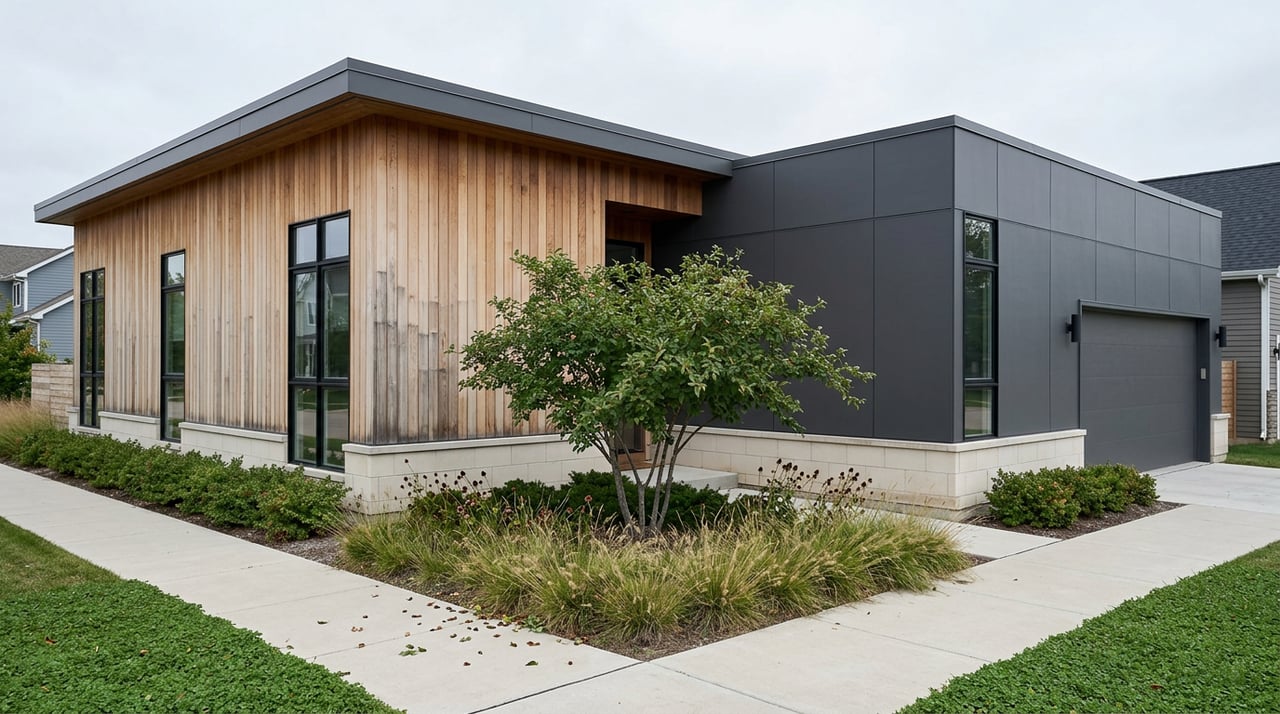
Wondering why one Englewood home sells quickly while another sits and chases the market? In a city this compact, pricing is not about picking a number that sounds good. It is about matching your home to the right buyers, the right neighborhood context, and the way today’s market is actually behaving. If you want to sell with less guesswork and more confidence, this guide will show you how to price strategically in Englewood today. Let’s dive in.
Why pricing matters more in Englewood
Englewood is a small city with a lot of variation packed into 6.56 square miles. The city had 35,238 residents in 2024 and now recognizes 40 neighborhoods, which means your value can shift meaningfully from one pocket to the next.
That matters because buyers do not shop by city average alone. They compare your home to nearby options, commute access, condition, and neighborhood setting. In a place like Englewood, a home near transit or in a higher-value pocket may compete very differently than a similar home a few blocks away.
The market is still active, but buyers are paying attention to price. Recent data showed a March 2026 median sale price of $577,500, median days on market of 17, and about 3 offers on average. Zillow also reported homes going pending in around 20 days, which tells you the first couple of weeks on market are especially important.
Start with local comps, not city averages
The best list price usually starts with the most recent nearby closed sales. In Englewood, broad citywide numbers can be helpful for context, but they are not enough to price your specific home accurately.
Neighborhood-level differences are significant here. Zillow data in Englewood showed values ranging from about $249,815 in Brookridge to about $1,211,078 in Wellshire, with Romans Park-Arapahoe Acres around $731,374 and University Hills around $559,631. That spread is a strong reminder that micro-location matters.
When I help sellers think about pricing, I look at the closest and most relevant sales first. That includes homes with similar size, layout, lot characteristics, condition, and updates, while staying as local as possible within Englewood’s neighborhood framework.
Why hyper-local pricing works
A buyer looking at your home is also looking at competing listings nearby. If your home is priced based on a citywide average instead of your specific pocket, you can miss the market in either direction.
Price too low and you may leave room on the table. Price too high and buyers may move on before they ever schedule a showing.
Why starting high can backfire
Many sellers ask the same question: why not start high and negotiate down later? It sounds reasonable, but today’s market data suggests that strategy often costs sellers time and leverage.
Redfin reported that 46.1% of Englewood listings had price drops. That is a sign buyers are watching for overpriced homes and waiting for corrections.
Research cited in the report also showed that homes priced even 3% to 5% above market tend to spend more time on the market and often need deeper cuts later. In other words, aiming too high at launch can make it harder to create urgency when your listing is still fresh.
The first two weeks matter most
Englewood homes have been going pending in roughly 17 to 20 days based on recent Redfin and Zillow data. That means your early market response tells you a lot.
If your home gets strong showing activity, serious interest, and solid feedback right away, your pricing is likely in range. If activity is weak, buyers may be telling you the price needs to move.
Condition and presentation affect price
Pricing is not just about square footage and location. Buyers also react to how your home looks, feels, and compares with other available options.
Staging and presentation can influence what buyers are willing to pay. According to the 2025 NAR staging report cited in the research, 29% of agents saw a 1% to 10% increase in dollar value offered for staged homes, and 49% of sellers’ agents saw faster sales.
The rooms that mattered most to buyers were the living room, primary bedroom, and kitchen. If you are getting your home ready to list, those are smart places to focus first.
Smart updates before listing
Not every project adds value equally. The research showed that in the Mountain region, some of the strongest resale returns came from practical, visible improvements such as:
- Garage door replacement
- Steel entry door replacement
- Manufactured stone veneer
- Midrange minor kitchen remodel
On the other hand, large projects like a primary suite addition recouped far less on average. If you are preparing to sell, smaller high-impact updates often make more sense than expensive major renovations.
Have permit records ready
If you completed work before selling, documentation matters. Englewood requires permits for many common projects, including additions, decks, patios, garages, windows, wall changes, furnace or HVAC work, water heaters, and many electrical or plumbing alterations.
For sellers, permit and inspection records can help support the work completed and answer buyer questions. If you made improvements, having those records organized before listing can help your home feel more transparent and easier to evaluate.
Timing helps, but price does the heavy lifting
It is easy to assume the right season will solve everything. But current metro data suggests timing alone is not enough to overcome an ambitious list price.
DMAR’s April 2026 report showed the metro median close price was nearly flat compared with April 2025 and April 2024, even as active listings rose seasonally. The takeaway is simple: being on the market at a busy time can help, but buyers still respond most strongly to homes that are priced well from day one.
At the metro level, the April 2026 median close price was $605,000, the close-to-list ratio was 99.44%, and median days in MLS was 14. Well-priced homes can still move quickly, even with more competition on the market.
How to adjust if showings are slow
A strategic price is not just about launch day. It is also about having a plan if the market response is softer than expected.
The research recommends using the first two weeks as a test. If showings are slow or feedback consistently points to price, a meaningful adjustment may work better than waiting passively.
A reduction in the 2% to 5% range can be more effective than a small cut that still leaves the home out of sync with buyer expectations. The goal is not to chase the market in tiny steps. The goal is to reset your position so fresh buyers take notice.
Signs your price may need a reset
Watch for patterns like these after launch:
- Few showings compared with similar listings
- Buyers touring the home but not writing offers
- Repeated feedback that the home feels high for the area or condition
- Competing homes going pending while yours stays active
When those signals show up early, acting quickly can protect your momentum.
What strategic pricing looks like in practice
In Englewood, strategic pricing usually comes down to four factors working together:
- Recent nearby closed sales that reflect your home’s true competition
- Neighborhood-specific demand instead of broad city averages
- Condition and presentation including staging and visible updates
- A clear adjustment plan if the first two weeks do not bring the right response
This approach gives you a better chance to attract serious buyers while your listing still feels new. It can also help you avoid the cycle of overpricing, sitting, reducing, and negotiating from a weaker position.
Why guidance matters in a neighborhood-driven market
Most sellers want help with pricing, marketing, and selling within a target timeline. The research noted that 91% of sellers used an agent, and that is especially understandable in a market like Englewood where neighborhood fit, presentation, and pricing strategy all carry extra weight.
A well-priced home is not just about data on a spreadsheet. It is about understanding how buyers compare homes, how your block or pocket fits into the broader market, and how to position your listing for the strongest possible response.
If you are thinking about selling in Englewood, I can help you evaluate your home through a local lens and build a pricing strategy based on real neighborhood context, current buyer behavior, and a clear plan from launch through negotiation. When you are ready, connect with Brandon Kass Real Estate powered by RE/MAX to get started.
FAQs
How should you price a home in Englewood, CO?
- The strongest approach is to use recent nearby closed sales, account for your specific neighborhood, consider your home’s condition and updates, and watch the first two weeks of buyer response closely.
Why do citywide averages matter less for Englewood home pricing?
- Englewood has 40 neighborhoods in a compact area, and home values can vary widely by pocket, so citywide averages are useful for context but not accurate enough to price an individual home.
Should you start high when listing an Englewood home?
- Starting too high can reduce early interest, lead to visible price cuts, and weaken negotiating leverage, especially in a market where many buyers are price-sensitive.
What home improvements help support a stronger list price in Englewood?
- Modest, visible improvements like entry doors, garage doors, and minor kitchen updates often offer better resale value than large expensive renovations.
What should you do if your Englewood listing is not getting showings?
- If activity is weak after about two weeks, review buyer feedback and comparable listings, then consider a meaningful price adjustment rather than waiting too long.
Do permit records matter when selling a home in Englewood?
- Yes, permit and inspection records can help document completed work and give buyers more confidence when improvements required city approval.