If you want a shorter commute without giving up space, trails, and a neighborhood feel, Greenwood Village stands out. It sits right next to the Denver Tech Center, yet it offers a very different day-to-day experience than a typical office district. If you are considering a move here, this guide will help you understand what living near the DTC in Greenwood Village really looks like, from transportation and housing to lifestyle and buyer fit. Let’s dive in.
Why Greenwood Village Works for DTC Living
Greenwood Village is a small city in Arapahoe County just south of Denver, and location is a big part of its appeal. According to the City of Greenwood Village profile, the city covers 8.3 square miles, had 15,691 residents in the 2020 Census, and includes part of the Denver Tech Center, Greenwood Plaza, and Village Center.
That mix matters when you are deciding where to live. You get direct access to a major employment hub, but you also get a city with established residential areas, parks, and open space. In practical terms, Greenwood Village can work well if you want to stay close to work while still having room to spread out.
Commute Options in Greenwood Village
For many buyers, the first question is simple: how easy is it to get to the DTC and beyond? Greenwood Village is heavily shaped by major transportation corridors, especially I-25, I-225, and the Southeast Light Rail Line.
That gives you several ways to move around depending on your schedule and routine. If you drive, highway access is a core part of the location. If you prefer transit, the city has multiple rail access points that can make commuting and event nights much more convenient.
Light rail stations nearby
RTD service is a real part of the Greenwood Village lifestyle, not just a nice extra. The city’s regional transportation page lists three light rail stations within Greenwood Village:
- Arapahoe at Village Center
- Orchard
- Dayton Street
Parking is also worth noting. Orchard Park-n-Ride has 48 spaces, while Arapahoe at Village Center Park-n-Ride has 817 spaces and is identified by RTD as a paid parking location.
Driving access and daily convenience
If your work or errands take you around the south metro area, Greenwood Village is positioned well for that too. Being close to I-25 and near I-225 can simplify trips to other business centers, shopping areas, and destinations across the Denver metro.
At the same time, Greenwood Village has taken steps to protect residential streets from becoming cut-through routes. The city says its neighborhood traffic-calming program is designed to minimize commercial and transient traffic in residential areas, which helps explain why many neighborhoods feel more buffered than you might expect this close to the DTC.
DTC Lifestyle Beyond the Office
Living near the Denver Tech Center is not just about getting to work faster. It is also about having useful amenities close to home, whether that means dining out, meeting friends, or catching a show after work.
One of the clearest examples is The Landmark in DTC, which describes itself as a destination for dining, shopping, entertainment, health and wellness services, with restaurants, a theater, Comedy Works, and luxury condos on site. If you want a live-work-play environment nearby, this area helps deliver that.
Events and entertainment access
Fiddler’s Green Amphitheatre is another major draw in the area. According to Fiddler’s Green directions information, the venue is in the heart of the DTC and about a 10-minute walk from Arapahoe at Village Center Station.
That can make a rail-plus-walk routine realistic for concerts and events, especially if you live near one of the station areas. For some households, that means less driving and easier access to one of the area’s best-known entertainment venues.
Parks, Trails, and Open Space
One reason Greenwood Village feels different from a standard business district is how much open space it preserves. The city maintains more than 440 acres of parks, trails, and open space, along with about 40 miles of trails.
That network includes 5.47 miles of the High Line Canal Trail, plus access to two major regional trail systems: the High Line Canal Trail on the west side of the city and the Cherry Creek Trail on the east side. If walking, biking, or outdoor time matters to you, these amenities are a meaningful part of daily life here.
A more suburban, outdoors feel
Greenwood Village also leans into a more open, suburban setting. The city highlights places like Westlands Park, Silo Park, and Marjorie Perry Nature Preserve, and it notes that the equestrian trail system helps preserve the city’s rural character.
This is one of the most important things to understand about the area. Even though the DTC skyline is close, many parts of Greenwood Village feel shaped by land, trails, and neighborhood design rather than by office towers.
Arts and community amenities
If you want something beyond parks and restaurants, Greenwood Village also has year-round cultural offerings. The Curtis Center for the Arts hosts classes, exhibits, lectures, and events, giving residents a local option for arts and community programming.
That adds another layer to the lifestyle here. You are not limited to commute convenience alone. You also have nearby options for recreation, entertainment, and local events.
Housing Options in Greenwood Village
Greenwood Village offers more housing variety than many buyers expect. According to the city’s budget document, the city has an estimated 6,869 housing units, with most being detached single-family homes.
The same source reports that about 64% of housing is owner-occupied and 36% is renter-occupied. It also describes the city’s residential mix as including urban lofts and condominiums, single-family homes, and multi-acre estates.
Prices and property mix
The city budget document cites a median home value of $1,213,300 and a median monthly rent of $2,538. That does not mean every property looks the same or serves the same buyer, but it does tell you Greenwood Village is generally a premium market.
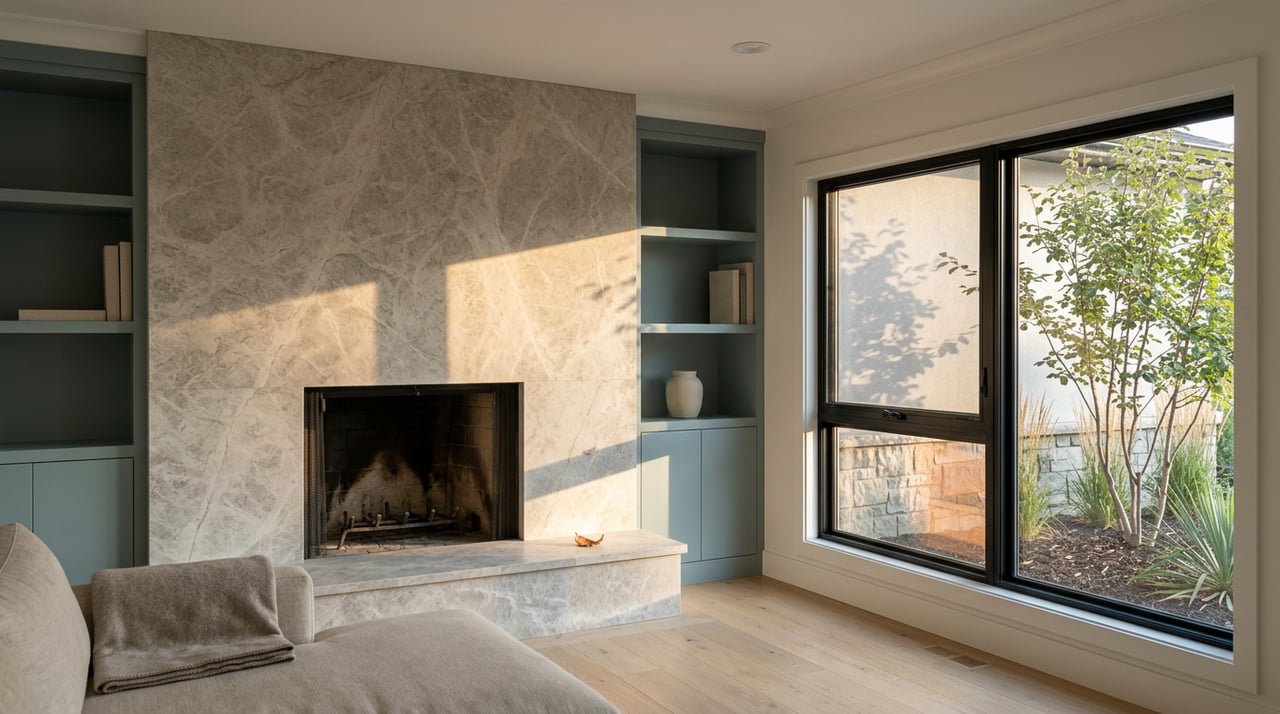
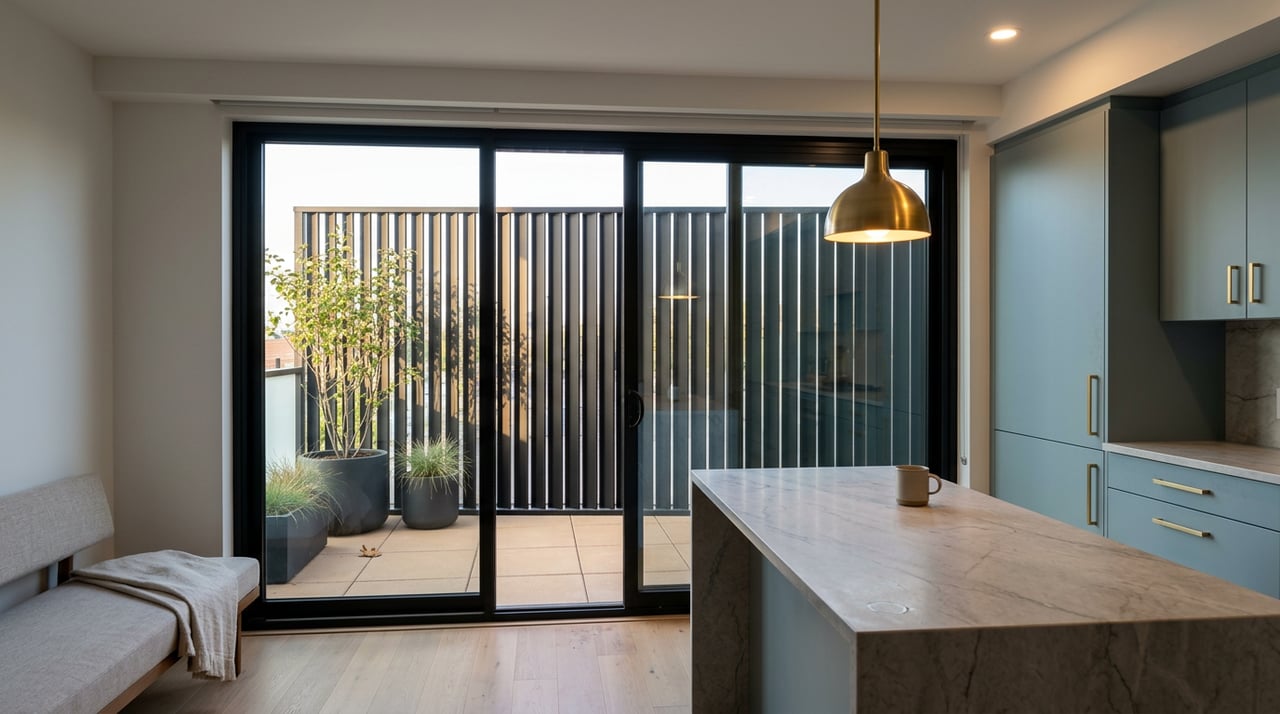
You will find a wide range of home styles and settings here. Some buyers may focus on lower-maintenance condos or loft-style options near DTC amenities, while others may prefer detached homes or larger-lot properties with more privacy and outdoor space.
Larger lots and lower density
Greenwood Village zoning helps explain why some neighborhoods feel more spacious. The city’s zoning code includes multiple residential districts with very low-density standards, including districts requiring minimum lot areas of 2.5 acres, 1 acre, or 22,500 square feet.
That matters because it shapes the feel of the city block by block. In some areas, the value proposition is not walk-everywhere urban density. It is space, separation, and a more controlled residential environment near a major employment center.
Neighborhood Character Near the DTC
One of Greenwood Village’s biggest strengths is that it does not feel one-note. The city’s planning documents point to a mix of urban-style residential options, established neighborhoods, and rural-feeling areas, often within a short drive of each other.
The comprehensive plan says rural areas often have larger lot sizes and may be large enough for agricultural or equestrian activities. It also notes that approximately 40 homeowners associations are registered in Greenwood Village, which reinforces the city’s neighborhood-by-neighborhood structure.
Buffered from major roads
Another useful detail comes from the city’s subdivision code. It says residential lots generally should not front arterial streets directly, and reverse-frontage lots are discouraged except when needed to separate homes from major streets.
That planning approach helps explain a common first impression of Greenwood Village. Even when you are close to major roads or office areas, many neighborhoods are designed to feel more insulated from through-traffic.
Rural feel in select areas
Some city spaces capture this contrast especially well. The city says Orchard Hills Park can feel almost rural even with DTC buildings visible in the background, and Alexander Lane Equestrian Park sits in the heart of the Rural Homestead neighborhood.
That combination is part of what makes Greenwood Village distinctive. You can be close to a major job center while still living in an area that feels open, residential, and in some places surprisingly quiet.
Schools and Local Orientation
If schools are part of your home search, Greenwood Village is served by two public school districts. The city’s community resources page says Cherry Creek School District serves areas east of Holly Street, while Littleton Public Schools serves areas west of Holly Street.
The same page notes that the Cherry Creek campus in Greenwood Village includes district offices, Greenwood Elementary, Campus Middle School, and Cherry Creek High School. If district boundaries matter to your search, this is something to review early when comparing homes.
Who Greenwood Village Fits Best
Greenwood Village can appeal to different kinds of buyers, but the reasons usually come down to a few key priorities. If you are a professional working in or near the DTC, the combination of rail access, highway access, and close-in location can make daily life easier.
If you want more space and outdoor access, the parks, trails, larger lots, and lower-density neighborhoods may be the bigger draw. In many cases, buyers are paying a premium here for location, space, and neighborhood character rather than for dense, urban-style walkability.
What to Consider Before You Move
Before you buy or rent in Greenwood Village, it helps to think clearly about your version of convenience. Do you want to be closest to rail stations and DTC amenities, or do you prefer a quieter residential setting with larger lots and more separation from busy corridors?
It is also smart to compare property type, commute style, and neighborhood layout together. In Greenwood Village, those choices can vary quite a bit from one area to the next, which is exactly why local guidance matters.
If you are weighing Greenwood Village against other south metro options, I can help you compare neighborhoods, commute tradeoffs, and housing styles so you can narrow in on the best fit for your goals. When you are ready, connect with Brandon Kass Real Estate powered by RE/MAX for personalized help buying, selling, or renting in the Denver metro.
FAQs
What is it like living near the Denver Tech Center in Greenwood Village?
- Living in Greenwood Village near the DTC can mean easier access to major employers, I-25, light rail, dining, and entertainment, while still offering residential neighborhoods, parks, trails, and larger-lot housing in many areas.
What light rail stations serve Greenwood Village for DTC commuting?
- Greenwood Village has three RTD light rail stations listed by the city: Arapahoe at Village Center, Orchard, and Dayton Street.
What kinds of homes are available in Greenwood Village?
- Greenwood Village includes a mix of condos, lofts, detached single-family homes, and multi-acre estates, with most housing units identified by the city as detached single-family homes.
What makes Greenwood Village different from other DTC-area locations?
- Greenwood Village combines DTC proximity with more open space, about 40 miles of trails, over 440 acres of parks and open space, and neighborhoods that are often designed to feel buffered from major traffic corridors.
Which school districts serve homes in Greenwood Village?
- According to the city, areas east of Holly Street are served by Cherry Creek School District, and areas west of Holly Street are served by Littleton Public Schools.
Is Greenwood Village a good fit if you want space near the DTC?
- Greenwood Village may be a strong fit if you want access to the DTC but also value larger lots, lower-density neighborhoods, trails, and a more residential setting than a typical office-centered area.