Thinking about leaving Denver for more space, a different pace, or easier access to trails? A move to Castle Rock can check a lot of those boxes, but it also comes with tradeoffs that are important to understand before you make the jump. If you are weighing the lifestyle, commute, and housing differences, this guide will help you see what really changes when you move from Denver to Castle Rock. Let’s dive in.
Castle Rock Feels Different From Denver
Castle Rock is about 30 miles south of Denver in Douglas County, and it is large enough to feel like its own community rather than just another stop along the metro. The town’s 2024 Popular Annual Financial Report estimated 87,102 residents, and local planning emphasizes staying physically distinct from surrounding areas.
That matters if you are coming from Denver. Instead of a more urban, connected city pattern, you will likely notice a more suburban layout with neighborhoods, open space, and a stronger sense of separation between residential areas, retail, and civic spaces.
Castle Rock also leans hard into an outdoors-focused lifestyle. The town says it has 136 miles of trails, 62 parks, and more than 6,900 acres of open space, which gives many buyers a very different day-to-day rhythm than they may have in Denver.
Daily Life Is More Neighborhood-Oriented
One of the biggest adjustments is how life tends to center around home, neighborhood amenities, and local routines. Castle Rock has a traditional downtown core and regular community events, but the overall feel is less urban-core and more residential.
If you like having room to spread out, this can be a major plus. Castle Rock’s average household size is 2.82, compared with Denver’s 2.0, which supports the idea that many households here are looking for more space and a more suburban home setup.
The town is also a full-service municipality. Castle Rock provides police, fire and EMS, parks, recreation, roads, and water services, which reinforces that self-contained community feel.
Expect a More Car-Dependent Routine
If you are used to living in Denver, transportation may be one of the biggest practical differences. Castle Rock functions largely as a commuter suburb, and the town’s transportation plan states that a majority of residents commute outside the town for work.
ACS 2024 5-year data show a mean travel time to work of 28.6 minutes. That is manageable by Front Range standards, but it still points to a lifestyle where driving plays a much bigger role.
Transit is another key difference. Castle Rock opted out of the Regional Transportation District in 2005, and while the town has studied transit options, day-to-day commuting is still mostly car-based.
If you work in Denver, your commute will likely feel more tied to I-25 conditions. Peak-hour traffic, road incidents, and construction can have a bigger impact here than they would in a more central location.
Housing Value Looks Different Here
A lot of Denver buyers assume Castle Rock is simply cheaper. In reality, the numbers suggest a more nuanced story.
In spring 2026, Redfin reported a median sale price of $647,363 in Castle Rock, compared with $634,620 in Denver. Zillow showed an average home value of $672,982 in Castle Rock and a median sale price of $655,333, so this is not a market that looks deeply discounted on headline price.
The more important number may be price per square foot. Redfin reported Castle Rock at $233 per square foot versus $368 per square foot in Denver, which often means you are getting more interior space or lot space for a similar total price.
That can be a meaningful shift if you are moving out of a smaller Denver home, townhome, or condo and want a larger detached property. In many cases, Castle Rock’s value is about space and housing form, not necessarily a lower purchase price.
Detached Homes Are Much More Common
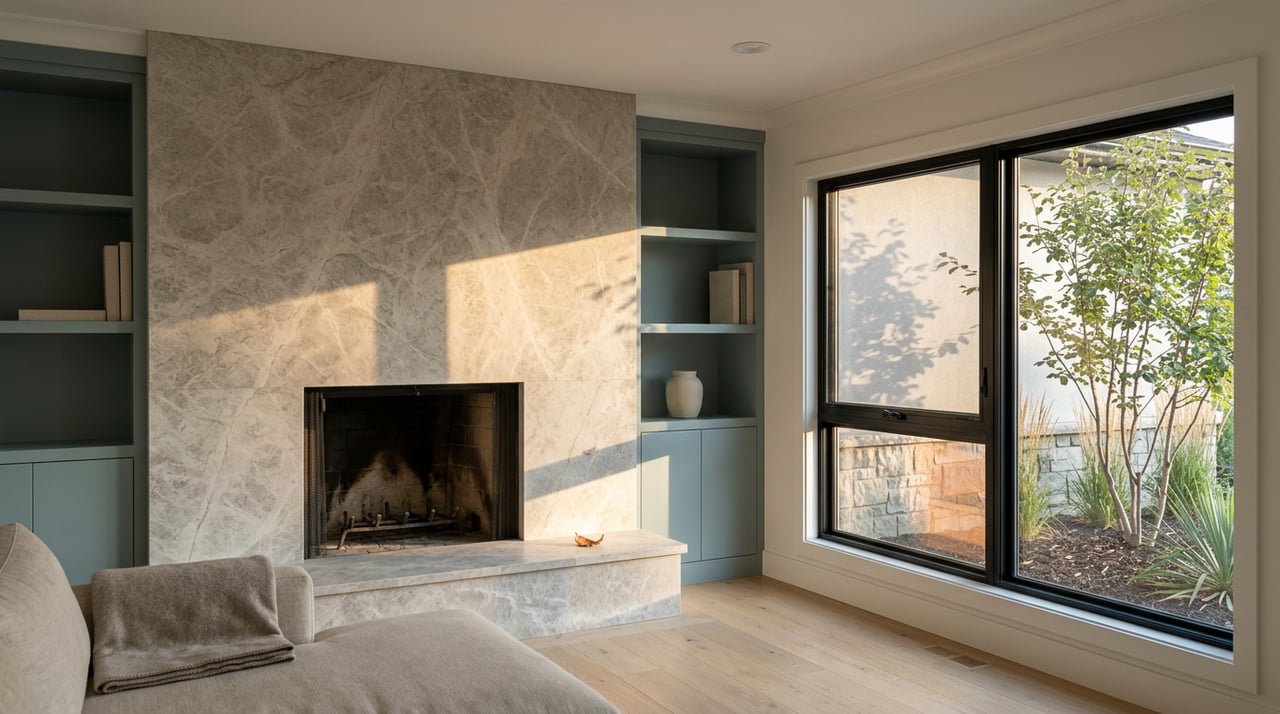
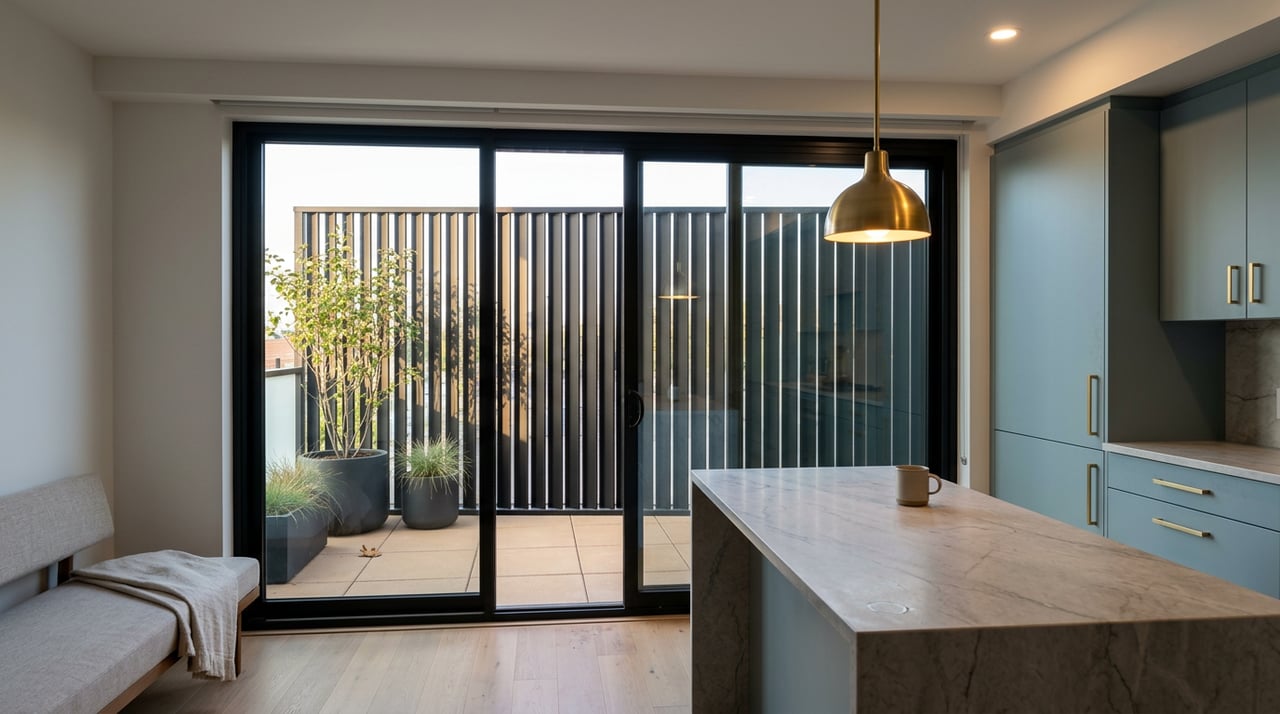
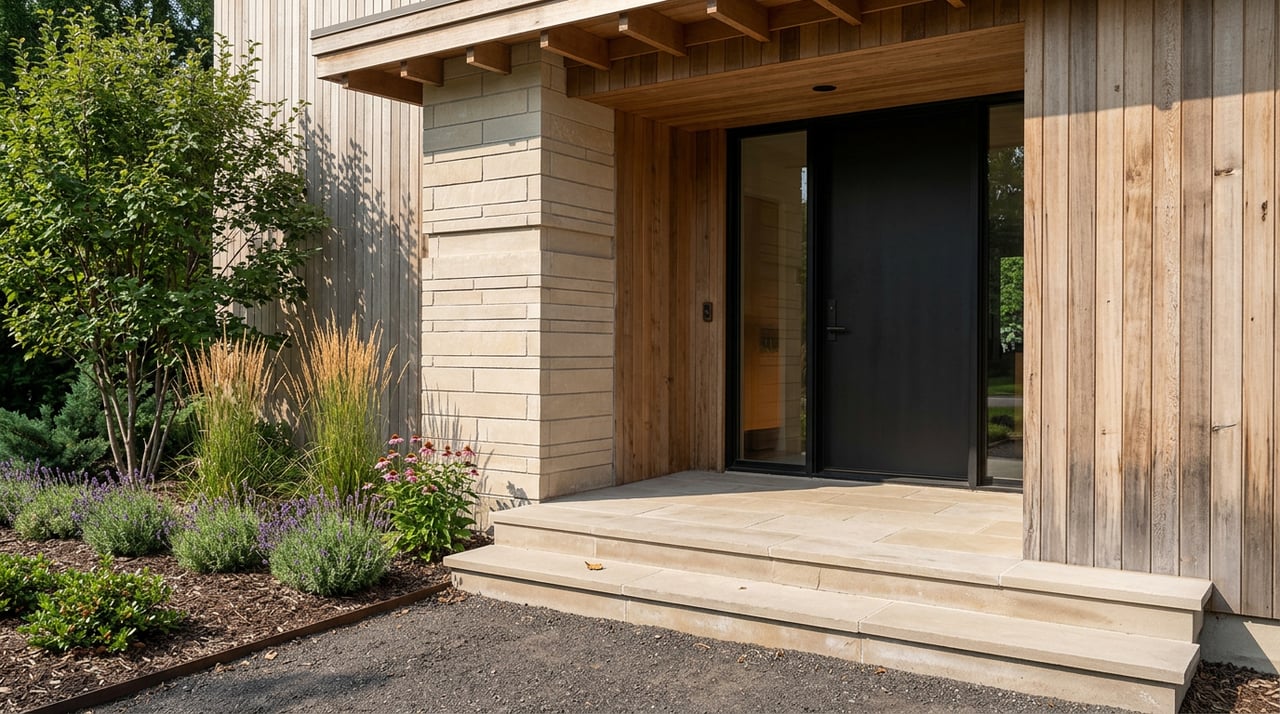
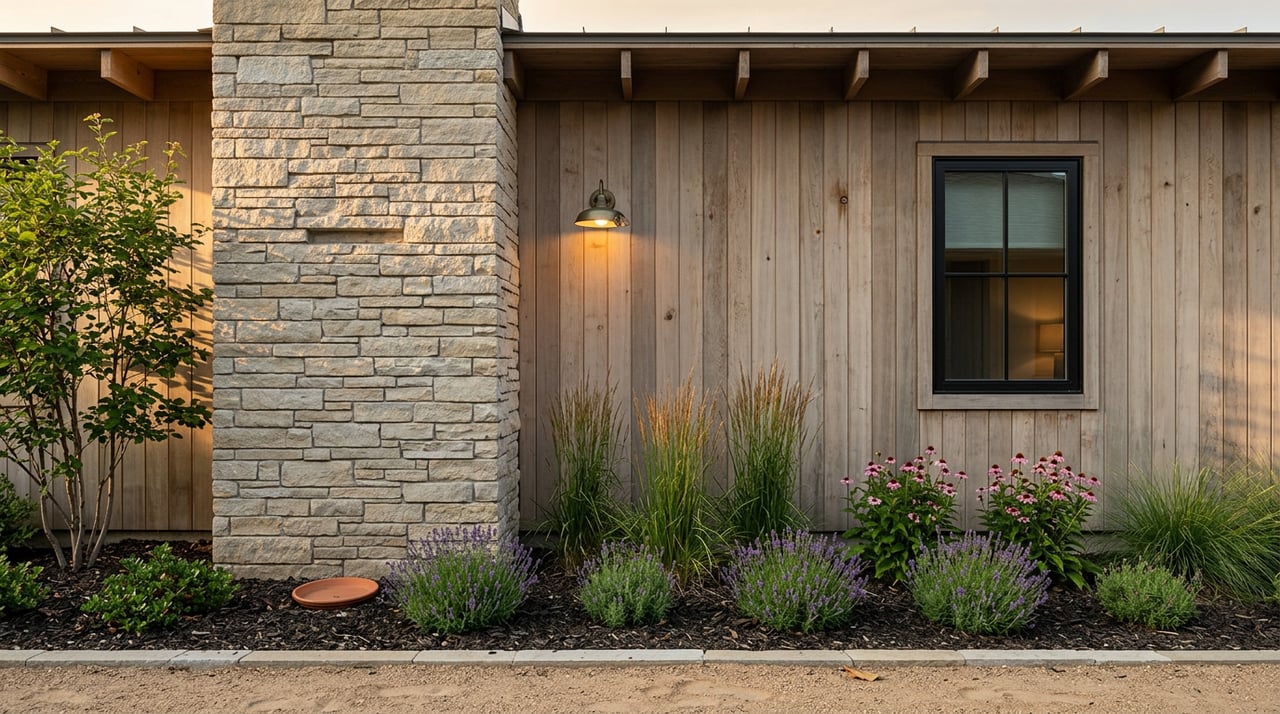
Castle Rock’s housing stock is heavily suburban in character. A town planning document says 74% of housing units are 1-unit detached, which helps explain why so many Denver-area movers consider Castle Rock when they want a traditional single-family layout.
The town has also continued to grow over time. Castle Rock says it has averaged about 780 single-family homes and 150 multifamily units per year over the last 25 years, so you will still find communities with newer construction and areas that are not fully built out.
Home size is another noticeable difference. A Castle Rock impact-fee study found that homes built since 2010 averaged 2,785 square feet, giving buyers a useful benchmark for what newer housing often looks like here.
For many Denver buyers, that means the move is really about trading proximity for a larger floorplan, more bedrooms, or a more conventional lot setup. If that is your goal, Castle Rock can line up well.
The Market Still Moves Quickly
Even though Castle Rock offers more suburban housing, it is not a slow market. Redfin reported about 21 days on market with 2 offers on average in spring 2026, while Zillow showed homes going pending in about 19 days.
That is close enough to Denver’s pace that you should still expect competition, especially if you are targeting a well-priced home in a desirable location or a newer resale property. Waiting too long can still cost you options.
This is where local strategy matters. If you are selling in Denver and buying in Castle Rock, timing both sides of the move carefully can make a big difference in your leverage and stress level.
Property Taxes Need a Closer Look
One of the most important buying differences in Castle Rock is that the monthly cost of ownership may involve more than you expect at first glance. Douglas County notes that a property’s total mill levy can depend on the county, town, school district, and any special districts that apply to that specific home.
The county also states that 2024 property tax bills can include metro districts and other taxing authorities. That means two homes with similar prices may carry different ongoing tax costs depending on where they sit.
For tax year 2026, Douglas County projects residential property at 7.05% for school districts and 6.8% for other local government, with a 10% legislative adjustment on the first $700,000 of actual value. The details can get technical fast, so this is a due diligence item you want to review early.
Special Assessments Can Affect Monthly Costs
Another item worth checking is whether a property is affected by a Local Improvement District, or LID. Douglas County says LIDs can be used for improvements such as streets, drainage, water, utilities, or sanitary sewer infrastructure.
The county also notes that these special assessments appear on property tax statements and are collected with property taxes. For you as a buyer, that means the real carrying cost of a home may be higher than the mortgage payment alone suggests.
This is especially important when comparing newer communities, master-planned areas, or homes in places with ongoing infrastructure work. A side-by-side cost review can help you avoid surprises.
Newer Communities Require More Context
Castle Rock’s development process is structured, and that matters when you are looking at new construction or homes near future growth areas. The town says most projects move through seven steps, including neighborhood meetings and public hearings, and zoning determines allowed use and density.
That means the subdivision context can matter more than you might expect. A home may back to open space today, but the broader development plan for nearby land could shape what that area looks like over time.
The town also says accessory dwelling units are intended to create alternative housing options and more flexible use of existing housing stock. If you are considering a property for multigenerational living or long-term flexibility, it is smart to understand the local zoning context before you buy.
School Boundaries Are Worth Checking Early
If school assignment is part of your home search, verify it at the beginning rather than at the end. Douglas County School District says Castle Rock includes two school feeders: Castle View High School and Douglas County High School.
That does not mean one area is better than another. It simply means school boundaries are a practical part of the search process for many buyers, especially those comparing neighborhoods and commute patterns at the same time.
A clear plan can save you time. If you know your preferred home style, budget, and feeder area early, your search usually becomes much more efficient.
What You Are Really Trading
For most people, moving from Denver to Castle Rock is not about finding a bargain. It is about choosing a different lifestyle.
You are often trading denser housing and more transit orientation for a more car-based routine, more detached homes, and larger floorplans. You may gain space, trails, parks, and a more neighborhood-centered rhythm, while giving up some convenience tied to central Denver.
That trade can make a lot of sense if it matches the way you want to live. The key is knowing exactly what matters most to you before you start touring homes.
If you are planning a move from Denver to Castle Rock, I can help you compare neighborhoods, evaluate true ownership costs, and line up a buying strategy that fits your goals. When you are ready, connect with Brandon Kass Real Estate powered by RE/MAX for local guidance and a more confident next step.
FAQs
What is the biggest lifestyle change when moving from Denver to Castle Rock?
- The biggest change is usually moving from a denser, more urban environment to a more suburban, neighborhood-oriented town with more reliance on driving.
Is Castle Rock cheaper than Denver for homebuyers?
- Not necessarily on headline price, since spring 2026 median sale prices were similar, but Castle Rock often offers more space for the money based on its lower price per square foot.
How long is the average commute from Castle Rock?
- ACS 2024 5-year data show a mean travel time to work of 28.6 minutes, though actual commute times can vary depending on where you work and I-25 traffic conditions.
Are most homes in Castle Rock detached single-family homes?
- Yes. A town planning document states that 74% of Castle Rock housing units are 1-unit detached.
What should buyers in Castle Rock check besides the home price?
- Buyers should also review property taxes, special districts, possible Local Improvement District assessments, and the surrounding development context for the neighborhood.
Why do school boundaries matter when buying in Castle Rock?
- Douglas County School District says Castle Rock is split between the Castle View High School and Douglas County High School feeders, so school assignment can affect your search area and home options.